Stock Your Shelves, Heal Your Gut: The Essential Pantry Guide for Digestive Health
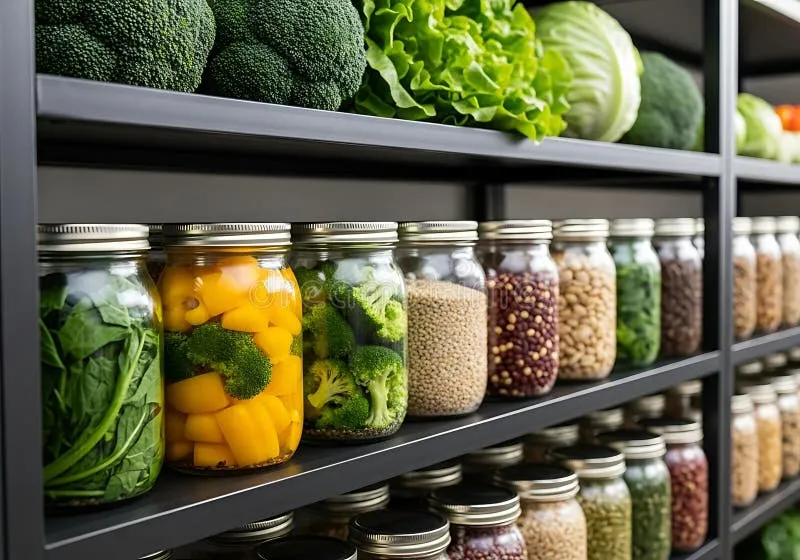
Photo: organized healthy pantry shelves with grains legumes fermented foods jars, via thumbs.dreamstime.com
Here's something most of us don't think about until something goes wrong: the gut is doing an enormous amount of work, every single day. It's breaking down your meals, absorbing nutrients, housing trillions of microorganisms, and even communicating with your brain. And while there's no single food that fixes everything, the collective choices you make — starting with what you keep in your pantry — can meaningfully shift how your digestive system functions over time.
Building a gut-friendly pantry isn't about buying expensive supplements or following a rigid elimination protocol. It's about stocking thoughtful, science-supported ingredients that you'll actually reach for when it's time to cook. Think of it less like a prescription and more like laying down a really solid foundation.
Why the Pantry Is Where Gut Health Begins
Most of us approach gut health reactively — we notice bloating, discomfort, or irregularity, and then scramble for a fix. But registered dietitians increasingly emphasize that consistent dietary habits, rather than short-term interventions, are what actually move the needle on microbiome diversity and digestive function.
Research published in the journal Cell found that a diet high in fermented foods increased microbiome diversity and decreased markers of inflammation more effectively than a high-fiber diet alone — though fiber remains critically important. The takeaway? Variety and consistency matter more than any single superfood. And the easiest way to build variety and consistency is to make sure the right ingredients are always within arm's reach.
The Fermented Foods You Should Always Have on Hand
Fermented foods are the rock stars of gut health, and for good reason. They deliver live beneficial bacteria — probiotics — directly into your digestive tract, where they can help crowd out harmful microbes, support the gut lining, and improve overall microbial balance.
Miso paste is one of the most versatile fermented ingredients you can keep in your fridge. Made from fermented soybeans (and sometimes grains), it adds a deep, savory richness to everything from soups to salad dressings. Look for unpasteurized versions to ensure the live cultures are intact — you'll typically find these at natural grocery stores like Whole Foods or your local Asian market.
Kimchi has exploded in popularity across the US, and for good reason. This spicy, tangy Korean fermented cabbage is loaded with Lactobacillus bacteria and delivers a serious flavor punch. Keep a jar in the fridge and toss it into grain bowls, scrambled eggs, or quesadillas.
Apple cider vinegar (with the mother) is another pantry workhorse. While the research on its direct probiotic benefits is still developing, the acetic acid in ACV may support healthy stomach acid levels and improve the absorption of minerals. A tablespoon in a salad dressing or a splash in a marinade is an easy way to incorporate it.
Plain, full-fat yogurt or kefir should live in your refrigerator permanently. Both are rich in live cultures and have among the strongest research bases of any fermented food for supporting gut flora. Kefir, in particular, is fermented with both bacteria and yeast, giving it a broader probiotic profile than most yogurts.
Fiber-Rich Grains and Legumes: The Prebiotic Backbone
Probiotics get most of the attention, but prebiotics — the dietary fibers that feed beneficial gut bacteria — are equally important. Without adequate prebiotic fuel, your gut's microbial community can't thrive, no matter how many fermented foods you eat.
Oats are one of the most accessible prebiotic foods available, and they're a staple most American households already own. Beta-glucan, the soluble fiber found in oats, has been shown to support the growth of beneficial Bifidobacterium species in the gut, while also helping regulate blood sugar and cholesterol.
Lentils and chickpeas are fiber and protein powerhouses that also happen to be incredibly affordable. Their high resistant starch content acts as a prebiotic, feeding good bacteria in the colon. Canned versions work perfectly fine — just rinse them well to reduce sodium.
Farro and barley are ancient grains worth rotating into your grain drawer. Both are higher in fiber than white rice and bring a pleasantly chewy texture to salads, soups, and side dishes. Barley, in particular, is one of the richest sources of beta-glucan among whole grains.
Ground flaxseed is a small addition with a big impact. Just two tablespoons provide about 4 grams of fiber, plus omega-3 fatty acids that support the gut lining. Stir it into oatmeal, blend it into smoothies, or mix it into muffin batter.
Anti-Inflammatory Herbs and Spices That Do Double Duty
Inflammation in the gut is a key driver of digestive disorders ranging from IBS to inflammatory bowel disease. Incorporating anti-inflammatory herbs and spices into your daily cooking is one of the simplest upgrades you can make.
Turmeric contains curcumin, a compound with well-documented anti-inflammatory properties. It's particularly effective when paired with black pepper, which significantly increases curcumin's bioavailability. Add it to grain dishes, soups, or golden milk.
Ginger has been used for centuries to ease nausea and digestive discomfort, and modern research backs up its effectiveness. Gingerols and shogaols — the active compounds in ginger — help accelerate gastric emptying and reduce gut inflammation. Keep both fresh ginger root and dried ground ginger on hand.
Fennel seeds are underrated in American kitchens but widely used in traditional digestive remedies. They can help relax the muscles of the gastrointestinal tract, reducing gas and bloating. Toast them in a dry pan and add to roasted vegetables or grain dishes.
Three Recipe Frameworks to Put It All Together
The best pantry in the world only works if you actually cook from it. Here are three flexible frameworks — not rigid recipes — that you can adapt based on what you have and what sounds good.
The Probiotic Grain Bowl: Start with a cooked whole grain (farro, barley, or brown rice). Add roasted vegetables, a scoop of kimchi or a spoonful of miso-tahini dressing, and a soft-boiled egg or some chickpeas for protein. Top with ground flaxseed and a drizzle of olive oil. This bowl checks nearly every gut-health box in one meal.
The Anti-Inflammatory Soup: Sauté onion, garlic, and fresh ginger in olive oil. Add lentils, diced tomatoes, vegetable broth, turmeric, and fennel seeds. Simmer until lentils are tender. Stir in a tablespoon of miso paste off the heat (to preserve the live cultures). Finish with a squeeze of lemon and fresh herbs.
The Overnight Oat Base: Combine rolled oats with kefir or plain yogurt instead of milk, add a tablespoon of ground flaxseed, and let it sit overnight. In the morning, layer with fresh fruit, a drizzle of honey, and a sprinkle of cinnamon. This is a genuinely powerful gut-health breakfast that takes about three minutes to prepare.
Start Simple, Stay Consistent
You don't need to overhaul your entire kitchen overnight. Pick two or three items from each category — fermented foods, high-fiber grains, anti-inflammatory spices — and start cooking with them regularly. The magic of gut-friendly eating isn't in any single ingredient; it's in the cumulative effect of small, consistent choices made over time.
Your gut is remarkably responsive. Give it the right inputs, and it tends to give back.