From Iced Coffee to Cozy Stews: Your Seasonal Meal Prep Transition Guide

Photo: Baker, O. E. (Oliver Edwin), 1883-1949, No restrictions, via Wikimedia Commons
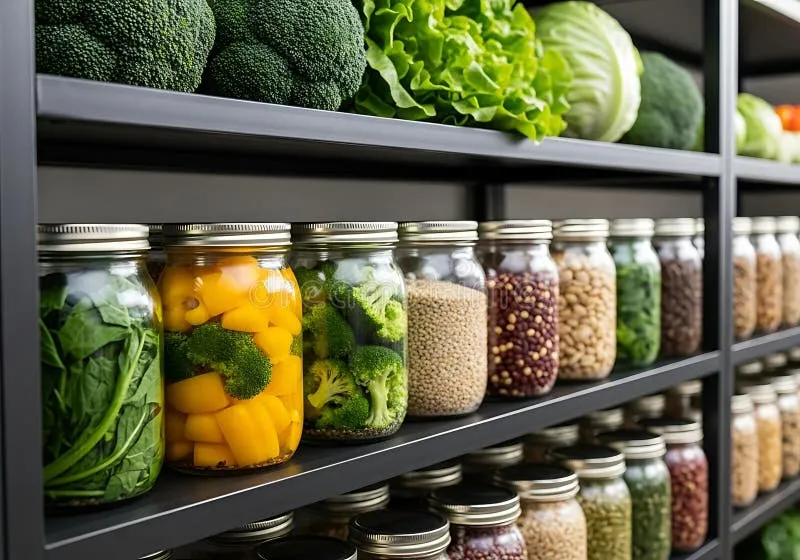
There's a moment every year — usually sometime in late September — when you open the fridge, stare at your prepped mason jar salads and overnight oats, and think: I am so done with this. The craving shifts. You want something warm, something grounding, something that feels like it's actually doing something for you.
That instinct is worth trusting. Our bodies aren't static machines that need the same fuel year-round. As daylight shortens and temperatures drop, energy demands, immune priorities, and even digestive preferences genuinely shift. The good news? Adapting your meal prep routine to match the season doesn't require starting from scratch. It's more of a remix than a reinvention.
Why Seasonal Eating Still Makes Sense in the Modern Age
Yes, you can buy strawberries in January and butternut squash in July. But eating seasonally still matters — both nutritionally and practically. Produce harvested at peak ripeness in its natural season contains higher concentrations of vitamins and antioxidants than out-of-season counterparts that traveled thousands of miles to reach your grocery store.
From a nutritional standpoint, fall and winter produce tends to be denser in complex carbohydrates, B vitamins, and immune-supportive nutrients like vitamin C and zinc. Summer produce, by contrast, is higher in water content and lighter antioxidants that support sun-exposed skin and hydration. Your body genuinely benefits from eating what's growing around you — even if you're buying it from a Trader Joe's in Phoenix rather than a farm stand in Vermont.
Beyond nutrition, there's a practical argument: seasonal ingredients are cheaper, more widely available, and at peak flavor. And when food tastes better, you cook more. It's that simple.
How Your Nutritional Needs Actually Shift
Here's something worth knowing before you start swapping recipes: the transition from summer to fall and winter isn't just about warm versus cold food. There are real physiological shifts happening.
Carbohydrates and warmth: Your body uses more energy to maintain core temperature in cooler weather, which means complex carbohydrates become more important. Root vegetables, squash, legumes, and whole grains aren't just comforting — they're genuinely useful fuel during colder months.
Immune support: Fall is when most Americans start getting sick, and it's not a coincidence that the season's best produce — sweet potatoes, kale, Brussels sprouts, pomegranates, citrus — is loaded with vitamin C, beta-carotene, and antioxidants that support immune function. Lean into them.
Vitamin D: This is the season when vitamin D deficiency becomes more common across the US, especially in northern states. While food alone can't fully compensate for reduced sun exposure, fatty fish like salmon and sardines, egg yolks, and fortified dairy or plant milks are worth adding to your rotation.
Hydration: People often drink less water in cooler months because they don't feel as thirsty. Broths, soups, and herbal teas can all contribute meaningfully to your daily fluid intake — another reason warm, liquid-based meals are a smart fall and winter prep strategy.
The Seasonal Ingredient Swap Chart
Use this as a loose guide when updating your weekly prep list:
| Summer Staple | Fall/Winter Swap | Why It Works |
|---|---|---|
| Zucchini | Butternut squash | Richer in beta-carotene, more satisfying |
| Cherry tomatoes | Roasted sweet potatoes | Higher in complex carbs and vitamin A |
| Cucumber | Fennel or celery root | Digestive support, earthy depth of flavor |
| Fresh corn | Farro or barley | More fiber, better cold-weather fuel |
| Peaches/berries | Apples, pears, pomegranate seeds | High in antioxidants and seasonal fiber |
| Basil | Sage, rosemary, thyme | Anti-inflammatory, warming properties |
| Cold brew coffee | Turmeric latte or chai | Warming, anti-inflammatory spice base |
| Gazpacho | Lentil or roasted tomato soup | Gut-friendly, protein-rich, warming |
| Greek yogurt parfait | Baked oatmeal | More sustaining on cold mornings |
This isn't about eliminating summer favorites entirely — it's about gradually shifting the balance so your meals feel right for the season.
Adjusting Your Macro Ratios for the Season
You don't need to obsess over macros to benefit from a seasonal adjustment. But here's a simple framework:
In summer, lighter meals higher in protein and healthy fats (think grilled salmon, avocado, fresh salads) tend to feel better because your body isn't working hard to stay warm. In fall and winter, nudging your plate toward more complex carbohydrates — think grain-forward bowls, bean-based soups, roasted root vegetable dishes — provides the sustained energy your body is quietly asking for.
That said, don't drop protein. It remains essential year-round for muscle maintenance, immune function, and satiety. If anything, pairing protein with those warming carbohydrates (chicken and farro, lentils and barley, eggs and roasted squash) gives you the best of both worlds.
Three Transitional Recipes That Work in Both Seasons
These recipes are designed with flexibility in mind — they're delicious in late summer with peak produce, and equally satisfying in the depths of January with pantry staples.
Warm-or-Cold Grain Salad with Roasted Vegetables and Herb Dressing
Cook a batch of farro or barley (about 2 cups dry). Roast whatever vegetables you have — in summer, try zucchini and corn; in fall, go with butternut squash and Brussels sprouts. Toss with a dressing made from olive oil, lemon juice, Dijon mustard, garlic, and fresh or dried herbs. Add white beans or chickpeas for protein. In summer, serve at room temperature or chilled. In fall and winter, serve warm straight from the sheet pan. Same basic recipe, completely different feel.
Two-Season Soup Base
Start with a base of sautéed onion, garlic, and celery in olive oil. Add a can of white beans, 4 cups of broth, and your seasonal vegetables. In summer: add fresh tomatoes, zucchini, and basil. In fall: add cubed sweet potato, kale, and rosemary. Simmer for 20–30 minutes. Finish with a squeeze of lemon and a drizzle of good olive oil. This soup is endlessly adaptable and takes about 35 minutes start to finish.
The Adaptable Breakfast Bowl
This one transitions beautifully with just a few tweaks. The base is always the same: cooked oats or overnight oats prepared with kefir or plant milk. In summer, top with fresh berries, sliced peaches, a drizzle of honey, and toasted coconut. In fall and winter, warm the oats, add roasted apple or pear, a sprinkle of cinnamon and nutmeg, a spoonful of almond butter, and a handful of pomegranate seeds. Same prep time, same nutritional profile, completely different seasonal energy.
Making the Shift Without Burning Out
The biggest mistake people make during seasonal transitions? Trying to overhaul everything at once. Instead, aim to swap out one or two ingredients per week as they naturally come into season. Visit a farmers market if there's one near you — fall markets are genuinely some of the best of the year, and shopping them makes seasonal eating feel exciting rather than obligatory.
Update your batch-cooking sessions gradually. Maybe you start by swapping your cold brew for a warm turmeric latte on weekday mornings, then add a pot of lentil soup to your Sunday prep. Small shifts compound quickly, and before long your fall routine feels completely natural.
The seasons are changing. Your kitchen might as well change with them.