Wellness in the Aisle: How 'Natural' and 'Clean' Labels Got So Legally Slippery
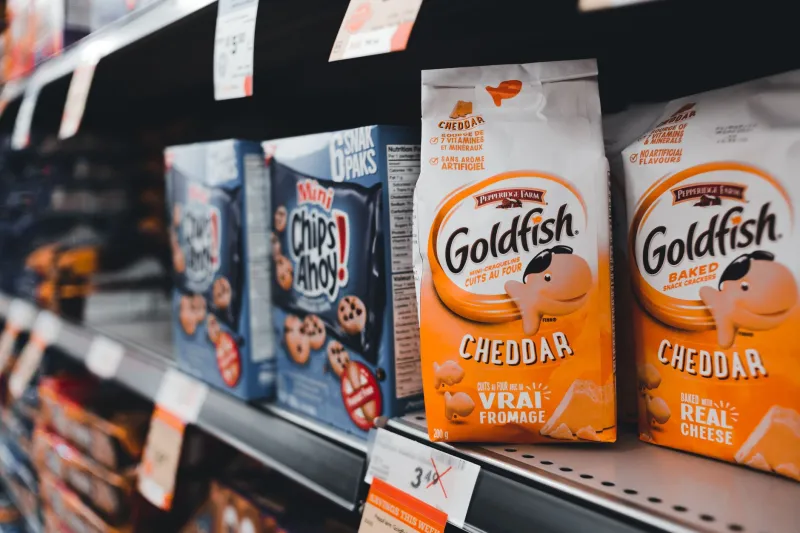
You've seen it a hundred times: a box of heavily sweetened granola bars stamped with a sun-drenched photo of a wheat field and the word natural in a friendly, hand-drawn font. It feels like a guarantee. Legally speaking? It's closer to a shrug.
If you've ever wondered how a bag of chips ends up with the same wellness vocabulary as a bag of spinach, you're not paranoid—you're paying attention. The gap between what food labels suggest and what they're actually required to mean is one of the biggest, quietest stories in the American grocery store.
The Word 'Natural' Has No Real Definition
Let's start with the big one. The FDA has never formally defined "natural" for packaged foods. The closest thing to official guidance, issued back in the 1990s, is a loose policy that the word can be used as long as nothing artificial or synthetic has been added to a food that wouldn't normally be expected to contain it.
Notice what that doesn't cover: pesticide use, animal welfare, genetic modification, or nutritional quality. A product can be processed at length and still qualify. High-fructose corn syrup has technically appeared in products labeled natural, because the agency hasn't ruled it out. In 2015, the FDA even opened a public comment period asking citizens what "natural" should mean—and the question remains effectively unresolved.
So when you see "100% Natural" on a bottle of soda, you're not being told the drink is healthy. You're being told, essentially, that no one has legally stopped the company from saying it.
'Clean' Means Whatever the Brand Wants It To
Unlike "organic" or "low sodium," the term "clean" lives entirely outside government regulation. There's no FDA definition, no USDA standard, no enforcement mechanism. It's pure marketing—a vibe, not a standard.
That said, it's not meaningless. Brands that use "clean label" language are usually signaling that they've removed certain ingredients (artificial colors, preservatives, flavorings) in response to consumer pressure. Some products are genuinely simpler than their predecessors. But there's no threshold, no audit, and no way to verify the claim. A candy made with beet juice instead of Red 40 can market itself as clean. Your best move is to flip the package over and read the ingredient list yourself—shorter and more recognizable is a decent rule of thumb, though it's a heuristic, not a law.
The Claims That Actually Mean Something
Here's the part that surprises people: some of the least exciting-sounding labels are the most tightly regulated. "USDA Organic" requires certification, inspections, and adherence to specific standards. "Low sodium," "sugar-free," "good source of fiber," and "light" all carry precise legal definitions with numeric thresholds.
A few worth knowing:
- Sugar-free: Less than 0.5 grams of sugar per serving. Not zero—just below the threshold.
- Low calorie: 40 calories or fewer per serving.
- Made with real fruit: Often means a token amount of fruit or fruit concentrate. No minimum is required.
- Multigrain: Simply means more than one grain is present. Those grains can be refined. Only "whole grain" (or a 100% whole grain claim) tells you the full kernel made it in.
- No added sugar: The food contains no sugar introduced during processing—but it can still be naturally loaded with sugar, like juice or dried fruit.
The pattern to notice: the vaguest, most wellness-y words get the least oversight, while the drier, more technical claims are the ones with teeth.
Front-of-Package Math Is a Serving-Size Game
Even accurate numbers can mislead. Nutrition facts are calculated per serving, and serving sizes are set by the manufacturer within FDA guidelines. A bag of chips that looks like a single-serving snack might list three servings' worth of calories and sodium. A "healthy" frozen entrée can look reasonable per serving until you realize the package contains two.
The FDA updated its serving-size rules in 2016 to better reflect how Americans actually eat, but the per-serving framing hasn't gone anywhere. When you're comparing products, glance at the serving size first—otherwise you're comparing apples to half an apple.
Your Practical Grocery Decoder
You don't need to memorize the Code of Federal Regulations to shop smarter. A few habits will do most of the work:
- Treat front-of-package language as advertising, not information. The ingredient list and Nutrition Facts panel are the regulated parts. Everything else is a sales pitch.
- Prioritize defined claims. "Organic," "whole grain," "low sodium," and "no added sugar" mean specific things. "Natural," "clean," "wholesome," and "pure" mean nothing enforceable.
- Check the ingredient order. Ingredients are listed by weight. If sugar appears in the first three, the product is a sugar product, whatever the box suggests.
- Be skeptical of health halos. Research consistently shows that a single positive claim ("no high-fructose corn syrup!") makes shoppers rate the entire product as healthier—including attributes it doesn't have.
- Shop the perimeter when you can. Produce, dairy, meat, and bulk staples rarely need a marketing department.
The Bottom Line
None of this means packaged food is the enemy. It means the words on the front of the box are chosen to sell, not to inform—and the law mostly lets them. The good news is that the genuinely useful information is printed right there too, on the back, in smaller type, waiting for you. Once you know which claims carry weight and which are decorative, the aisle gets a lot less confusing—and your cart gets a lot more honest.