Protein Reality Check: How Much You Actually Need—and Why Chasing More Could Backfire
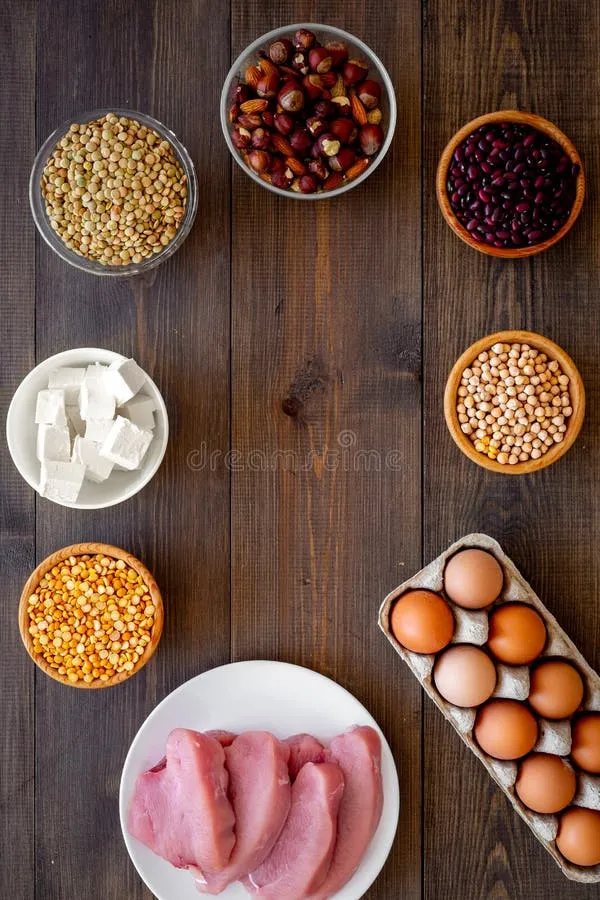
Photo: variety of protein foods lentils eggs cottage cheese nuts on wooden table, via thumbs.dreamstime.com
Walk down any grocery store aisle and you'll notice something: protein is everywhere. Protein chips. Protein pasta. Protein-enriched coffee creamer. We've collectively decided that protein is the golden macronutrient, the one nutrient we can never quite get enough of. But here's the thing—that assumption deserves a serious second look.
Current nutritional research paints a far more complicated picture than the supplement industry would like you to believe. And understanding that picture could not only save your kidneys some unnecessary stress, but also free you from a pretty exhausting way of thinking about food.
Where the "More Protein" Obsession Came From
The cultural fixation on protein isn't entirely unfounded. Protein is genuinely essential—it builds and repairs muscle tissue, supports immune function, produces enzymes and hormones, and keeps you feeling full longer than refined carbohydrates do. Bodybuilding culture in the 1980s and '90s turbocharged the idea that protein intake should be maximized, and that mindset gradually seeped into mainstream wellness.
Then came keto, paleo, and carnivore diets, each reinforcing the idea that Americans are chronically under-proteined. Social media did the rest. Now gym culture, diet influencers, and even some well-meaning nutritionists have normalized protein targets that far exceed what most bodies can actually use.
The result? A lot of expensive urine—and in some cases, real physiological consequences.
What the Science Actually Says
The Recommended Dietary Allowance (RDA) for protein, established by the National Academies of Sciences, sits at 0.8 grams per kilogram of body weight per day for sedentary adults. For a 150-pound person, that's roughly 54 grams daily—an amount easily covered by a couple of eggs, a cup of Greek yogurt, and a serving of lentil soup.
For active individuals, the numbers do climb. Research published in journals like the Journal of the International Society of Sports Nutrition suggests that people engaged in regular resistance training may benefit from somewhere between 1.2 and 1.7 grams per kilogram. Endurance athletes might land in a similar range. But here's the ceiling that often gets ignored: most studies find minimal additional muscle-building benefit above about 1.6–2.0 grams per kilogram, even for serious athletes.
In other words, there's a point of diminishing returns—and many protein-forward Americans are eating well past it.
The Overlooked Downsides of Going Overboard
Excess protein doesn't just sit in your muscles waiting to be used. Your body has to process it, and that processing isn't free.
Your kidneys work harder. Protein metabolism produces nitrogen waste, which the kidneys must filter out. For healthy individuals, this is manageable. But for people with existing kidney disease—or even undiagnosed reduced kidney function, which affects roughly 15% of American adults—consistently high protein intake can accelerate decline. Nephrologists have been sounding this alarm for years.
Your gut may push back. Very high protein diets, particularly those heavy in red meat and processed protein products, have been linked to changes in gut microbiome composition. Some research suggests that excess animal protein can increase the production of compounds like hydrogen sulfide and ammonia in the colon, which are associated with inflammation and colorectal cancer risk over the long term.
Bone health gets complicated. Some studies have shown that very high protein intake—especially from animal sources—can increase urinary calcium excretion. While the relationship between protein and bone density is still being studied and isn't straightforward, it's a factor worth knowing about, particularly for postmenopausal women.
Your wallet takes a hit, too. Premium protein products are expensive. If your body can't use what you're consuming, you're literally paying for waste.
Protein Needs Shift Across Your Life
One of the biggest gaps in the popular protein conversation is how individual needs actually vary.
-
Older adults (65+): This is genuinely a group that benefits from higher protein intake—around 1.0–1.2 grams per kilogram—because aging reduces muscle protein synthesis efficiency. Sarcopenia (age-related muscle loss) is a real concern, and protein, paired with movement, helps counter it.
-
Pregnant and breastfeeding women: Needs increase to roughly 1.1 grams per kilogram during pregnancy and higher still during lactation.
-
Children and teens: Growing bodies need proportionally more protein per pound than sedentary adults, but they're also typically getting it through normal food intake without supplementation.
-
Sedentary adults under 50: Honestly? Most are meeting their needs without trying. The average American already consumes well above the RDA through ordinary eating.
How to Find Your Number
Rather than defaulting to a trending target, here's a simple framework:
- Convert your weight to kilograms (divide your weight in pounds by 2.2).
- Multiply by your activity factor:
- Sedentary/lightly active: × 0.8
- Moderately active (3–4 workouts/week): × 1.2–1.4
- Highly active or strength training regularly: × 1.4–1.7
- Competitive athlete: × 1.6–2.0
- Adjust for life stage using the notes above.
That's your realistic daily protein range—not a floor to blast past, but an actual target zone.
Protein Without the Chicken Breast Monotony
Once you stop chasing astronomical numbers, something liberating happens: you realize that protein-balanced eating is actually pretty delicious and diverse.
Lentil and roasted vegetable bowls deliver around 18 grams of protein per serving while also packing fiber, iron, and folate. Toss cooked French lentils with roasted sweet potato, wilted spinach, a soft-boiled egg, and a tahini-lemon drizzle. You've got a complete, satisfying meal that doesn't require a single chicken breast.
Edamame and soba noodle salad combines two plant proteins for a surprisingly complete amino acid profile. A generous bowl with shredded purple cabbage, cucumber ribbons, sesame-ginger dressing, and a sprinkle of hemp seeds lands around 22 grams of protein—with way more micronutrient variety than a plain protein shake.
Cottage cheese with savory toppings has had a well-deserved renaissance. A cup of full-fat cottage cheese topped with sliced heirloom tomatoes, fresh basil, cracked pepper, and a drizzle of olive oil gives you roughly 25 grams of protein in a format that feels like actual food, not a supplement delivery vehicle.
Black bean and egg breakfast tacos on corn tortillas hit around 20 grams of protein and come together in under 10 minutes. Scramble two eggs with black beans, a pinch of cumin, and whatever salsa you have open in the fridge. Simple, flavorful, and far more interesting than another plain Greek yogurt.
Rethinking the Relationship
Protein is important. Nobody's disputing that. But the cultural narrative that you're perpetually deficient—that every meal is a missed opportunity to cram in more grams—doesn't hold up when you actually look at the research.
What does hold up: eating adequate, high-quality protein from varied sources, distributed reasonably across your meals, tailored to your actual life. That approach supports muscle health, keeps you satisfied, and leaves room on your plate for the vegetables, whole grains, and healthy fats that the protein obsession often crowds out.
Eat well. Cook beautifully. And maybe put down the protein powder long enough to enjoy a really good bowl of lentil soup.