Ditch the Post-Workout Panic: What Sports Nutrition Research Actually Tells Us About Recovery Eating
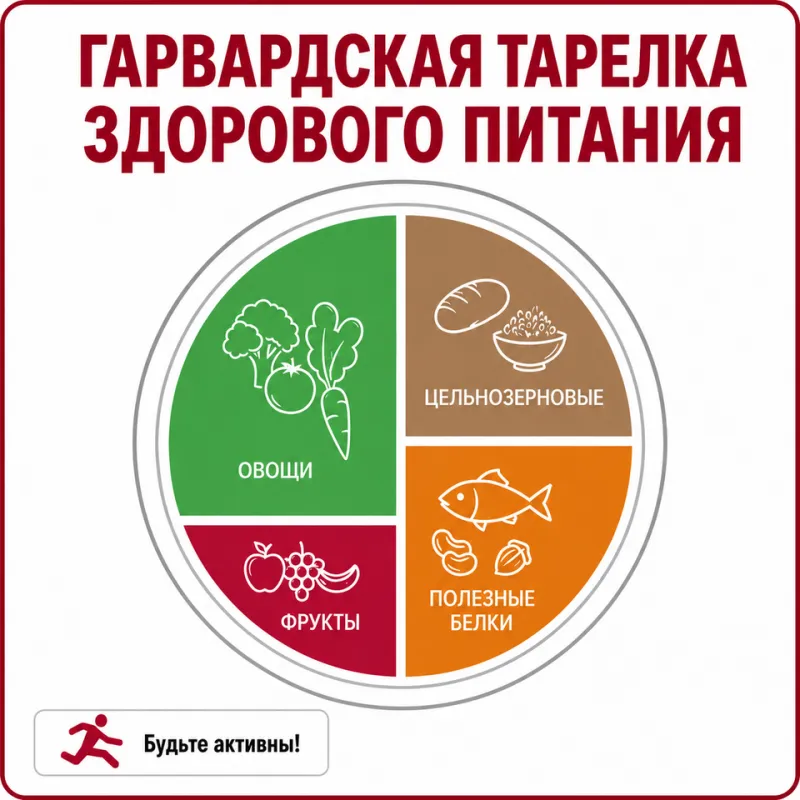
Photo: ChatGPT, Public domain, via Wikimedia Commons
You finish your last set, towel off, and suddenly feel the invisible countdown clock ticking. Thirty minutes. You have thirty minutes. You scramble for your gym bag, chug a chalky protein shake in the locker room, and spend the drive home wondering if you already blew your "anabolic window." Sound familiar?
This post-workout ritual has become so deeply embedded in fitness culture that questioning it feels almost heretical. But here's the thing: the research behind that urgency is a lot shakier than the supplement industry would have you believe. And for the average person trying to build a sustainable, enjoyable relationship with food and fitness, the stress it creates may not be worth it.
Let's break down what the science actually says — and what it means for how you eat around your workouts.
Where Did the "Anabolic Window" Come From?
The concept of a narrow post-exercise window for nutrient intake emerged from early sports science research conducted largely on elite athletes training in fasted states. The idea was that muscle protein synthesis — the process your body uses to repair and build muscle tissue — spikes after exercise and needs to be "fed" quickly before it closes back down.
From there, the supplement industry ran with it. Suddenly, every protein powder label was screaming about consuming 20–40 grams of protein within 30 minutes of finishing your workout. It was compelling, it was simple, and it sold a lot of product.
But subsequent research has complicated the picture considerably.
What Recent Studies Are Actually Showing
A landmark meta-analysis published in the Journal of the International Society of Sports Nutrition found that when researchers controlled for total daily protein intake, the timing of post-workout protein had a much smaller effect on muscle gains than previously believed. In other words, what you eat over the course of the entire day matters far more than whether you eat it in a specific post-exercise window.
Another important finding: the anabolic window is actually much longer than 30 minutes. For most people, muscle protein synthesis remains elevated for anywhere from several hours to 24 hours after resistance training. The urgency that's been marketed to us doesn't reflect that biological reality.
There's also the matter of what you ate before your workout. If you had a balanced meal two to three hours before hitting the gym — something with protein, carbohydrates, and a little fat — your body is still actively processing and utilizing those nutrients during and after exercise. You're not starting from zero the moment you finish your last rep.
So Does Timing Matter At All?
Here's where it gets nuanced, because the answer isn't a flat no.
Timing can matter in specific circumstances. If you train first thing in the morning in a true fasted state, eating something with protein and carbohydrates within a couple of hours post-workout is genuinely a good idea. The same goes for people doing two-a-day training sessions, competitive athletes with high performance demands, or anyone doing prolonged endurance exercise (think long runs or cycling sessions lasting over 90 minutes) where glycogen replenishment becomes a real priority.
But for the majority of Americans who hit the gym three to five times a week for 45 to 60 minutes of moderate-to-intense exercise? The pressure to eat within a rigid window is largely unnecessary.
What Actually Drives Recovery
Instead of fixating on the clock, here's where your energy is better spent:
Total daily protein intake. Most research suggests that active adults aiming to build or maintain muscle should target somewhere between 0.7 and 1 gram of protein per pound of body weight per day. Spreading that protein across three to four meals and snacks throughout the day is a highly effective strategy — no stopwatch required.
Carbohydrate replenishment. Your muscles run on glycogen, which is stored glucose derived from carbohydrates. After a tough workout, eating carbs helps replenish those stores. But again, this doesn't have to happen in a frantic 30-minute window. A balanced meal within a couple of hours is perfectly sufficient for most people.
Consistent, quality sleep. This one gets overlooked constantly. The majority of muscle repair and hormonal recovery happens during sleep. A protein shake chugged at 6:47 PM isn't going to compensate for consistently getting five hours of sleep.
Hydration. You lose fluid and electrolytes during exercise, and dehydration directly impairs recovery. Rehydrating after a workout — with water, a sports drink if the session was particularly intense, or even something like coconut water — is genuinely important and often more impactful than the exact protein timing.
Overall dietary pattern. A diet rich in whole foods, lean proteins, complex carbohydrates, healthy fats, and plenty of vegetables provides the micronutrients — think zinc, magnesium, vitamin C, and antioxidants — that support tissue repair and reduce exercise-induced inflammation. No single post-workout meal can make up for a diet that's otherwise lacking in these areas.
Building a Smarter Post-Workout Approach
The practical takeaway here isn't to ignore post-workout nutrition — it's to approach it with proportionality and common sense rather than anxiety.
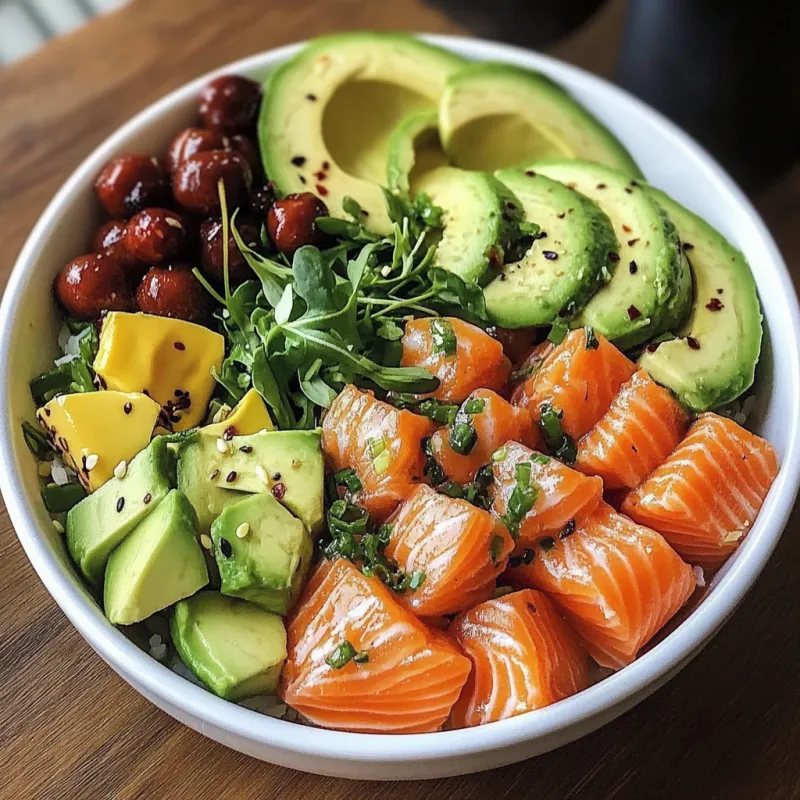
If you finish a workout and you're hungry, eat something nourishing. A meal or snack with a good protein source (grilled chicken, Greek yogurt, eggs, legumes) alongside some quality carbohydrates (sweet potato, brown rice, whole grain toast, fruit) is an excellent choice. If you're not hungry right away, that's okay too — eat when it makes sense for your body and your schedule.
For people who do morning workouts before breakfast, a simple post-gym meal — scrambled eggs with roasted vegetables and a slice of whole grain toast, or a smoothie with Greek yogurt, banana, and a handful of spinach — covers the nutritional bases without requiring you to eat the moment you walk through the door.
The goal is to make your eating patterns work for your life, not the other way around. Sustainable habits beat perfect timing every single time.
The Bigger Picture
Fitness culture has a complicated relationship with food, and the post-workout timing myth is just one example of how marketing and oversimplified science can create unnecessary stress around eating. When every meal becomes a strategic calculation rather than an act of nourishment, the joy of cooking — and eating — starts to erode.
At Cuisine & Health, we're firm believers that good nutrition should feel empowering, not exhausting. Understanding that your body is resilient, adaptive, and not operating on a 30-minute countdown is genuinely liberating. It means you can finish a workout, take a shower, cook something real and delicious, and sit down to eat it like a human being — not a metabolic optimization experiment.
Your recovery is built in the kitchen, at the dinner table, and in your bed at night. The clock on the gym wall has very little to do with it.