Cook Your Way to Calm: A Practical Framework for Building Anti-Inflammatory Meals That Actually Taste Amazing
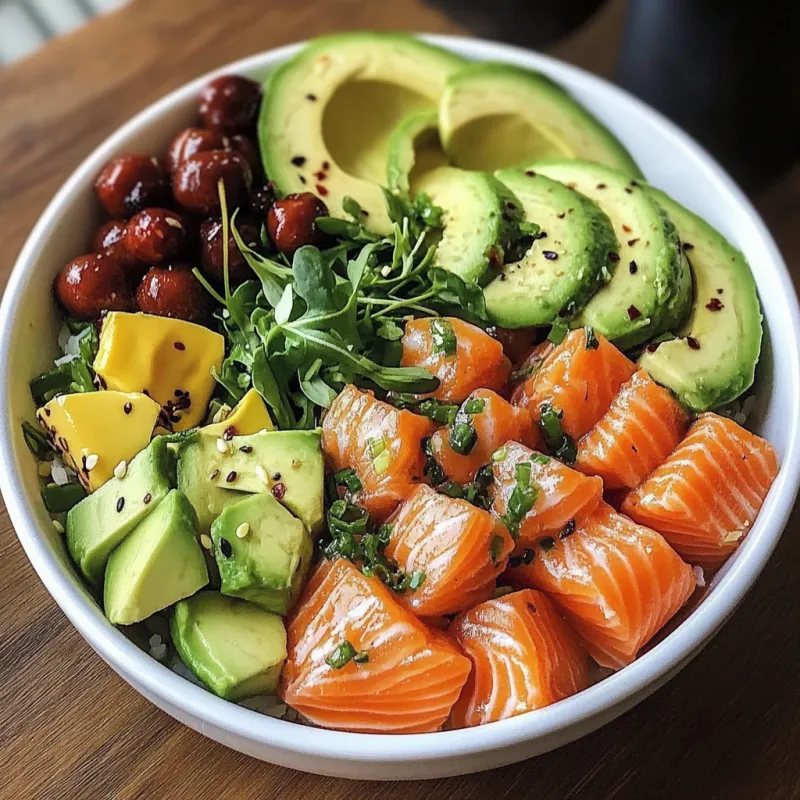
Photo: colorful anti-inflammatory meal bowl with salmon avocado and vegetables, via speedyyums.com
Here's a word that gets thrown around a lot in wellness circles: inflammation. It shows up on supplement labels, in podcast ads, and in approximately every other health headline you've scrolled past this week. But what does it actually mean for the food on your plate—and more importantly, can you do something about it without eating sad salads for the rest of your life?
Spoiler: absolutely yes.
What Inflammation Actually Is (And Why Food Matters)
Your immune system uses inflammation as a tool. Stub your toe, catch a cold, or scrape your knee—your body sends inflammatory signals to the area to kick off the healing process. That's acute inflammation, and it's genuinely useful.
The problem is chronic, low-grade inflammation. This is the kind that quietly simmers in the background for months or years, often without obvious symptoms. Researchers have linked it to everything from cardiovascular disease and type 2 diabetes to joint pain and brain fog. And unlike a sprained ankle, you can't always feel it happening.
What drives chronic inflammation? A lot of things—stress, sleep deprivation, environmental toxins—but diet is one of the most powerful levers you have. Certain foods trigger the release of pro-inflammatory compounds like cytokines and prostaglandins. Others actively work to suppress them. The good news is that the anti-inflammatory foods list reads less like a prescription and more like a farmers market haul.
The Inflammation Plate Framework
Think of your plate as having three main jobs: anchor, amplify, and activate.
Anchor: Your Anti-Inflammatory Protein
Protein is the foundation of a satisfying meal, and your choice of protein source matters more than you might think. Fatty fish like wild-caught salmon, mackerel, and sardines are loaded with omega-3 fatty acids—EPA and DHA specifically—which are among the most well-studied anti-inflammatory nutrients in existence. Aim to work fatty fish into your rotation at least twice a week.
Not a fish person? Pasture-raised eggs, legumes (especially lentils and black beans), and tempeh are all solid anti-inflammatory anchors. Red meat isn't off the table, but conventional, grain-finished beef tends to have a less favorable omega-3 to omega-6 ratio, so treat it more like a supporting character than the star of every meal.
Amplify: Your Anti-Inflammatory Fats
Fat is not the enemy—certain fats are, in fact, your best allies. Extra-virgin olive oil is probably the most researched anti-inflammatory fat in the human diet, thanks to a compound called oleocanthal that works similarly to ibuprofen in the body. Avocados, walnuts, flaxseed, and chia seeds also bring serious anti-inflammatory credentials.
The fats to minimize? Refined seed oils like corn, soybean, and sunflower oil, which are sky-high in omega-6 fatty acids. In excess, these tip the body toward a pro-inflammatory state. They're also hiding in nearly every processed snack food in the American grocery store, which is worth keeping in mind.
Activate: Your Anti-Inflammatory Produce and Spices
This is where you get to have real fun. Deeply colored fruits and vegetables are loaded with polyphenols, flavonoids, and carotenoids—plant compounds that actively dial down inflammatory pathways. Think dark leafy greens, blueberries, beets, sweet potatoes, red cabbage, and broccoli.
And don't underestimate your spice rack. Turmeric contains curcumin, one of the most potent natural anti-inflammatories known to science. Ginger, cinnamon, and black pepper (which boosts curcumin absorption dramatically) all earn their place here too. Garlic and onions bring quercetin and allicin to the party. These aren't just flavor boosters—they're functional ingredients.
Three Recipes to Put It All Together
1. Ginger-Turmeric Salmon Bowls with Pickled Cabbage
This is weeknight anti-inflammatory eating at its best. Marinate wild salmon in a mix of fresh ginger, turmeric, garlic, a splash of tamari, and a drizzle of sesame oil. Roast at 400°F for 12–14 minutes. Serve over a base of brown rice or quinoa alongside quick-pickled red cabbage (thin-sliced cabbage tossed with rice vinegar, a pinch of salt, and a tiny bit of honey for 20 minutes). Top with sliced avocado, toasted sesame seeds, and fresh scallions. The colors alone will make you feel like you're doing something good for yourself—because you are.
2. Black Bean and Sweet Potato Tacos with Cilantro-Walnut Salsa
These tacos hit every note: earthy, bright, satisfying, and completely plant-forward. Roast cubed sweet potato with smoked paprika, cumin, and olive oil until caramelized. Warm black beans with garlic, a pinch of chili flakes, and a squeeze of lime. For the salsa, pulse walnuts, cilantro, jalapeño, lime juice, and olive oil in a food processor until chunky. Load everything into corn tortillas and finish with thinly sliced radish and a dollop of plain Greek yogurt. The walnuts bring omega-3s; the sweet potato brings beta-carotene; the beans bring fiber that feeds your gut microbiome—which, by the way, plays a major role in regulating systemic inflammation.
3. Golden Lentil Soup with Wilted Greens
Comfort food that works for you, not against you. Sauté diced onion, carrot, and celery in olive oil until soft. Add minced garlic, a tablespoon of fresh grated turmeric (or 1.5 teaspoons dried), a teaspoon of ginger, and a pinch of black pepper—always black pepper with turmeric. Stir in red lentils, diced tomatoes, and vegetable broth. Simmer 25–30 minutes until thick and creamy. Finish with a big handful of baby spinach or kale stirred in until just wilted, and a squeeze of lemon. This soup freezes beautifully, making it perfect for meal prep.
The Bigger Picture
Building an anti-inflammatory diet isn't about perfection or elimination. It's about shifting the balance—crowding your plate with foods that support your body's natural regulatory systems and being a little more intentional about the ones that work against them. You don't have to overhaul your entire kitchen overnight.
Start with one swap. Trade your refined seed oil for extra-virgin olive oil. Add a handful of blueberries to your morning routine. Throw turmeric into your next soup. Small, consistent moves compound over time—and they taste a whole lot better than you'd expect.