You're Drinking Plenty of Water—So Why Are You Still Thirsty? The Truth About Real Hydration
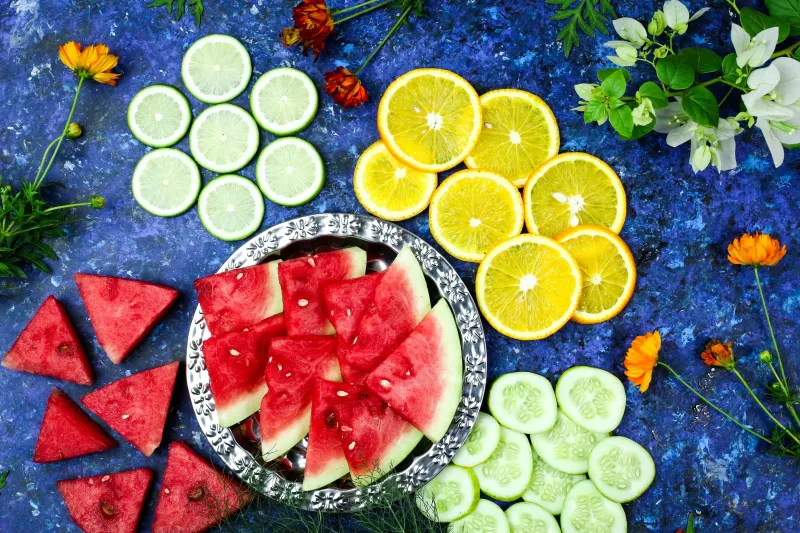
Photo: fresh hydrating foods watermelon cucumber celery colorful flat lay, via images.pexels.com
Picture this: you've got your 40-ounce Stanley on your desk, you've been sipping all morning, and yet by 2 p.m. you've got a dull headache, your energy is dragging, and your mouth still feels vaguely like sandpaper. You're doing the water thing. So what gives?
The answer might genuinely surprise you—and it has a lot more to do with what you're eating than how much you're drinking.
The Eight Glasses Myth (And Where It Actually Came From)
Let's start with the number that's been living rent-free in American health culture for decades: eight glasses of water a day. It's everywhere—on wellness apps, doctor's office posters, and the back of your multivitamin bottle. The problem? The science behind it is shakier than most people realize.
The oft-cited 8x8 rule (eight 8-ounce glasses) traces back to a 1945 recommendation from the U.S. Food and Nutrition Board. What most people don't know is that the original statement included this key qualifier: most of that water requirement would be met through food. That second half got quietly dropped somewhere along the way, and we've been obsessing over fluid ounces ever since.
Actual hydration needs vary enormously based on body size, activity level, climate, age, and—critically—what you're eating. A 130-pound person working a desk job in Minnesota in January has very different needs than a 200-pound construction worker in Phoenix in July. Blanket rules were never going to tell the whole story.
Why Water Alone Isn't Enough
Here's the part where biology gets genuinely interesting. Water doesn't just sit in your cells—it moves in and out through a process called osmosis, driven by the concentration of electrolytes on either side of the cell membrane. Electrolytes are minerals like sodium, potassium, magnesium, and calcium that carry electrical charges and regulate fluid balance throughout your body.
When your electrolyte levels are off, water can't get into your cells effectively—no matter how much you drink. It just passes through. This is why people who are aggressively hydrating can still test as dehydrated, and why athletes who drink only plain water during intense exercise sometimes end up in worse shape than those who hydrate with electrolyte-containing beverages.
The modern American diet, unfortunately, is a dehydration machine in slow motion. We eat enormous amounts of sodium (mostly from processed foods), which pulls water out of cells. We drink a lot of coffee and alcohol, both of which are diuretics. We eat fewer fruits and vegetables than recommended—the foods that naturally deliver both water and the minerals needed to use it properly. And we're often under chronic stress, which elevates cortisol and disrupts fluid regulation.
The Foods That Hydrate You Better Than a Glass of Water
Whole foods can deliver water that's already structured alongside the electrolytes your cells need to absorb and retain it. This is sometimes called dietary water, and it accounts for roughly 20–30% of total fluid intake in people eating a vegetable-rich diet—more if you're really leaning into it.
Cucumber is about 96% water and provides a small but meaningful hit of potassium and magnesium. It's mild enough to eat in quantity and works beautifully in everything from salads to blended gazpacho.
Watermelon is the summer hydration superstar for good reason. Beyond its 92% water content, it delivers lycopene, a powerful antioxidant, plus potassium and a small amount of magnesium. Blend it with fresh mint and a squeeze of lime for a genuinely refreshing hydrating drink that beats most sports beverages.
Celery is another 95%-water food that also contains natural sodium—the kind that works with your body rather than against it—along with potassium. It's crunchy, satisfying, and deeply underrated.
Leafy greens—spinach, romaine, butter lettuce—are 90–95% water and loaded with magnesium, an electrolyte that many Americans are chronically deficient in. Magnesium deficiency is closely linked to fatigue, muscle cramps, and headaches: all classic dehydration symptoms.
Coconut water deserves a mention here. It's not a miracle drink, but it does naturally contain potassium, magnesium, and a small amount of sodium in a ratio that supports cellular hydration better than plain water. Just check labels—many commercial versions add sugar that offsets the benefits.
Bone broth is a sleeper hit for hydration, especially in colder months when you're less likely to be reaching for cold drinks. It provides sodium, potassium, and collagen-supporting minerals in a warm, satisfying format. Make a big batch on Sunday and sip it through the week.
Common Hydration Saboteurs in the American Diet
Before you overhaul your grocery list, it's worth identifying what might be working against you.
Ultra-processed foods are the big one. Chips, crackers, deli meats, fast food—these are loaded with refined sodium that draws water out of tissues and taxes your kidneys. The fix isn't to avoid sodium entirely (your body needs it), but to get more of it from whole food sources and less from packages.
Caffeine in high doses is a mild diuretic, though the research suggests moderate coffee consumption (1–3 cups a day) doesn't meaningfully dehydrate most people. The issue is when coffee replaces water rather than supplementing it.
Alcohol is a more significant dehydrator. It suppresses a hormone called ADH (antidiuretic hormone) that tells your kidneys to hold onto water. This is why drinking leads to increased urination—and the next-morning misery that follows.
Refined sugar in large amounts can also contribute to cellular dehydration by drawing water out of cells through osmosis. Sugary sodas and energy drinks, despite their liquid form, are poor hydration vehicles.
Building a Hydration-Forward Meal Plan
The practical takeaway here isn't to stop drinking water—it's to think about hydration as a whole-diet strategy rather than a standalone habit.
Start your mornings with a large glass of water plus a pinch of good sea salt and a squeeze of lemon. This delivers sodium, potassium, and a small electrolyte hit before your first coffee. Build at least one meal per day around high-water-content vegetables—a big salad with romaine, cucumber, and celery; a vegetable-forward soup; a smoothie loaded with spinach and frozen fruit.
Keep a bowl of cut watermelon, sliced cucumber, or grapes accessible in your fridge for snacking, especially in summer. Swap your afternoon soda for coconut water or an herbal iced tea made with hibiscus, which is rich in minerals and genuinely delicious over ice.
And when you do drink plain water—which you absolutely should—pair it with food when possible. Eating and drinking together slows gastric emptying and gives your body more time to absorb the fluid properly.
The Bottom Line
Hydration is a systems issue, not a volume issue. Your body doesn't just need water—it needs the right conditions to actually use it. When you build your meals around whole, mineral-rich, water-dense foods and cut back on the processed stuff that fights your fluid balance, you'll likely find that the fatigue, headaches, and afternoon slumps start to ease—even if you're not dramatically increasing your water intake.
Your plate, it turns out, might be your most underrated hydration tool.