Rethinking the Most Important Meal: What Your Breakfast Is Actually Doing to Your Energy

Photo: Elmer Centeno Guevarra, CC BY-SA 4.0, via Wikimedia Commons
We've all heard it: breakfast is the most important meal of the day. And while nutritionists have complicated that claim significantly over the past decade, one thing remains clear — how you start your morning has a real and measurable effect on your energy, hunger, and food choices for the rest of the day.
So why are so many Americans still reaching for a bowl of sweetened cereal, a flavored yogurt with the sugar content of a candy bar, or a "protein" granola bar that lists glucose syrup as its second ingredient?
The short answer: breakfast marketing is very, very good at its job. The longer answer involves a fundamental misunderstanding of what protein actually does in the body — and why the source of that protein matters just as much as the amount.
The Protein Conversation We're Getting Wrong
America is protein-obsessed right now. Walk through any grocery store and you'll see the word stamped on everything from chips to water. And breakfast has not escaped this trend. Greek yogurt ads tout 15 grams of protein. Egg white cups are marketed as the cornerstone of a productive morning. Protein shakes are practically a food group at this point.
Here's where things get complicated: not all proteins behave the same way in your body. Animal proteins are complete proteins, yes — they contain all nine essential amino acids. But the research on satiety and sustained energy increasingly points toward a more nuanced picture. Whole-food proteins, whether animal or plant-based, that come packaged with fiber, healthy fats, and complex carbohydrates keep you fuller longer and produce a more stable blood sugar response than isolated protein sources like shakes and bars.
A 2020 study in Cell Metabolism found that people who ate high-fiber, minimally processed breakfasts reported significantly lower hunger levels through mid-morning compared to those who consumed high-protein, low-fiber options. The fiber-protein combo was the real satiety driver — not protein alone.
This matters because a lot of the "protein breakfasts" Americans default to are low in fiber: egg whites with no vegetables, plain Greek yogurt without seeds or fruit, protein bars with minimal whole ingredients. You get the macros on the label, but not the full food experience your hunger hormones are actually responding to.
The Sugar Disguise Problem
Let's talk about what's really happening with American breakfast staples. Instant oatmeal packets — the maple brown sugar kind most people grew up eating — can contain 12 or more grams of added sugar per serving. Flavored yogurts frequently clock in at 20-plus grams. Many popular granolas contain more sugar per cup than a glazed donut.
These foods are marketed with health halos — whole grain! probiotics! natural flavors! — while delivering a blood sugar spike that leads to an energy crash by 10 a.m. That crash is what drives the mid-morning snack craving, the second coffee, the irritability before lunch.
This isn't about demonizing sugar entirely. It's about recognizing that breakfast, specifically, sets the metabolic tone for your day. Starting with a blood sugar roller coaster makes everything harder.
Why Plant-Forward Proteins Deserve a Seat at the Breakfast Table
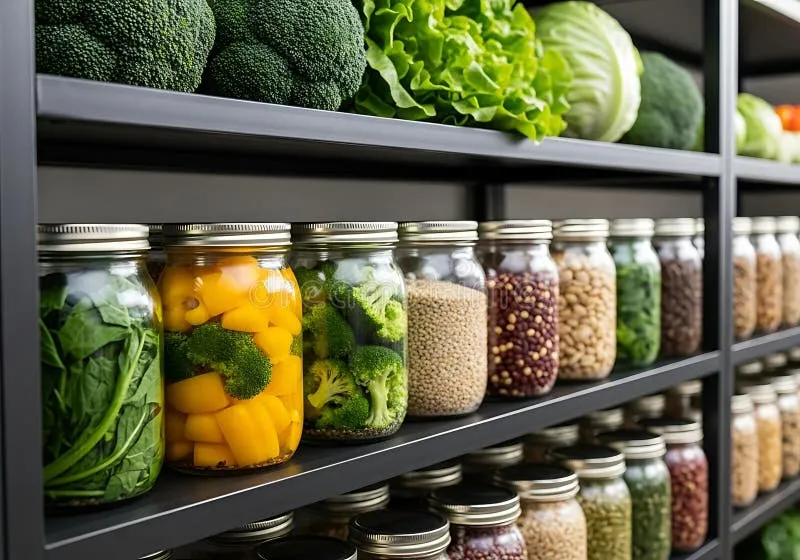
Here's where things get genuinely exciting from a culinary standpoint. Plant-based whole-food proteins — tofu, legumes, seeds, whole grains — come bundled with fiber, antioxidants, and complex carbohydrates that create a slow, steady energy release. They're also wildly versatile in the kitchen.
The resistance to plant-based breakfast in the US often comes down to habit and familiarity. Eggs are comfortable. Bacon is familiar. The idea of eating lentils at 7 a.m. feels strange if you didn't grow up doing it. But once you expand your definition of what breakfast can look like, the options become genuinely delicious.
Savory tofu scramble: Crumble firm tofu into a hot skillet with olive oil, turmeric, nutritional yeast, garlic powder, and black salt (which gives an uncanny egg-like flavor). Add whatever vegetables you have — spinach, cherry tomatoes, leftover roasted peppers. Season with salt and pepper. Ready in under 10 minutes, and it delivers around 20 grams of protein with a solid dose of fiber if you add a side of whole grain toast or black beans.
Seed-based overnight porridge: This one is a game-changer for busy weekday mornings. Combine rolled oats with chia seeds, hemp hearts, a spoonful of almond butter, and unsweetened almond milk the night before. In the morning, top with fresh berries and a drizzle of honey. The chia and hemp seeds add omega-3 fatty acids, complete protein, and fiber — and the whole thing takes about four minutes of hands-on time.
White bean and vegetable breakfast hash: Sauté canned white beans with diced sweet potato, red onion, bell pepper, and a handful of kale in olive oil. Season with smoked paprika, cumin, and a squeeze of lemon. Top with a poached egg if you want, or keep it fully plant-based. This is a weekend-worthy breakfast that'll genuinely hold you through a long morning.
You Don't Need Supplements or a Complicated Routine
One of the more frustrating trends in American wellness culture is the implication that eating well requires expensive powders, elaborate routines, or influencer-approved superfoods. It doesn't.
The most effective breakfast strategy is also the most straightforward: prioritize whole foods over processed ones, combine protein with fiber and healthy fat, and keep added sugar low. That's it. You don't need a $60 bag of collagen peptides. You need some good eggs, a bag of chia seeds from the bulk section, a can of beans, and a block of tofu.
Meal prep helps, too — not in a complicated, Sunday-afternoon-cooking-marathon way, but in a quiet, low-effort way. Hard-boil a few eggs on Sunday. Pre-mix your overnight oat base in four jars. Roast a tray of sweet potatoes that can go into a hash all week. These small habits remove the morning decision fatigue that leads to grabbing a sugary granola bar on the way out the door.
A New Morning Mindset
Breaking up with the American breakfast industrial complex doesn't mean eating sad, flavorless food in the name of health. It means learning to find the same comfort and pleasure in meals that actually serve your body.
A warm bowl of seed porridge with fresh peaches and toasted coconut is just as satisfying as a bowl of cereal — more so, actually, because you won't be hungry again an hour later. A savory tofu scramble with a good cup of coffee is a genuinely enjoyable morning ritual, not a punishment.
The most important thing you can do for your breakfast isn't to overhaul everything overnight. It's to start asking a simple question each morning: Is this going to keep me going, or is it going to slow me down?
More often than not, the whole-food answer is also the delicious one.