Your Spice Rack Is a Medicine Cabinet in Disguise

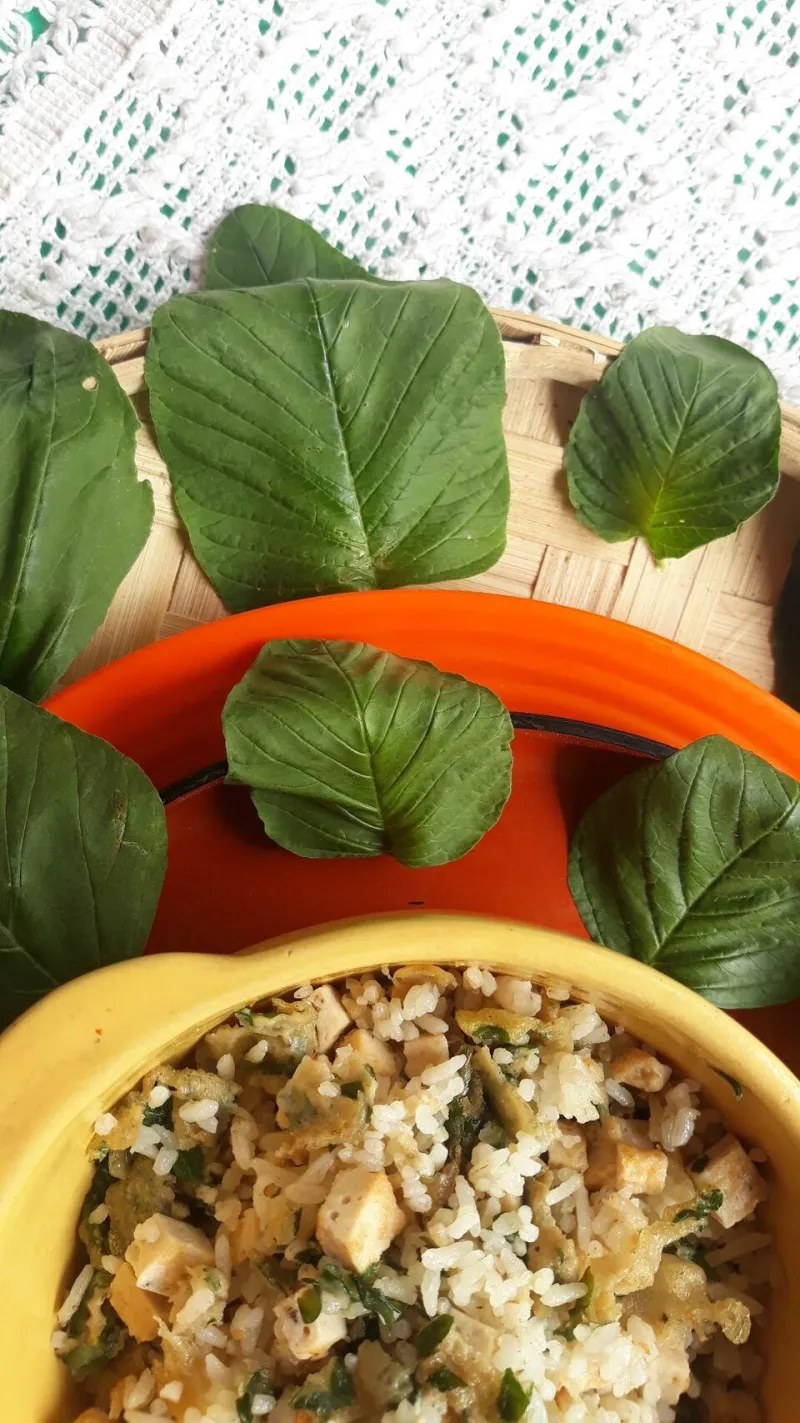
Photo: NYONYA'S SECRET, CC BY-SA 4.0, via Wikimedia Commons
Most of us reach for the turmeric or sprinkle in some cayenne because a recipe calls for it — not because we're thinking about our knee pain or our immune system. But here's the thing: what's sitting in those little jars above your stove might be doing a lot more heavy lifting for your health than you realize.
Inflammation is at the root of some of the most common and debilitating health conditions Americans deal with — arthritis, heart disease, digestive issues, and chronic fatigue among them. And while no seasoning is going to replace a doctor's care, a growing body of nutritional research suggests that certain spices, used consistently and in meaningful amounts, can genuinely help dial down the body's inflammatory response.
Let's break down the four heavy hitters and talk about how to actually put them to work in your kitchen.
Turmeric: The Golden Standard
If you've spent any time in wellness circles, you've heard about turmeric. The active compound in this bright yellow root — curcumin — has been studied extensively for its anti-inflammatory effects. A 2021 review published in Nutrients found that curcumin supplementation significantly reduced markers of inflammation, including C-reactive protein (CRP), in adults with metabolic and inflammatory conditions.
The catch? Curcumin has notoriously poor bioavailability on its own. Your body struggles to absorb it efficiently — unless you pair it with black pepper. Piperine, the compound that gives black pepper its bite, can boost curcumin absorption by up to 2,000 percent. That's not a typo.
How to use it: Add a teaspoon of turmeric and a crack of black pepper to your morning smoothie, stir it into scrambled eggs, or blend it into a warm golden milk latte with oat milk and a touch of honey. Aim to use it daily rather than occasionally — consistency is what builds the benefit.
Quick recipe idea: Turmeric-spiced lentil soup. Sauté onion, garlic, and ginger in olive oil, add red lentils, diced tomatoes, vegetable broth, a heaping teaspoon of turmeric, and a generous pinch of black pepper. Simmer 25 minutes. It's warming, filling, and genuinely good for you.
Ginger: The Digestive and Joint Ally
Ginger has been used medicinally for thousands of years across Asian and Middle Eastern traditions, and modern research is validating what those cultures already knew. Studies have shown that gingerols and shogaols — the bioactive compounds in fresh and dried ginger — inhibit pro-inflammatory cytokines, the signaling molecules that drive swelling and pain.
For people dealing with osteoarthritis or exercise-induced muscle soreness, ginger has shown particularly promising results. A study in Osteoarthritis and Cartilage found that participants who took ginger extract reported meaningful reductions in knee pain compared to those who didn't.
How to use it: Fresh ginger is more potent than dried, but both count. Grate fresh ginger into stir-fries, steep it into tea with lemon and honey, or blend it into salad dressings. Dried ground ginger works beautifully in baked goods, oatmeal, and spice rubs for roasted vegetables or chicken.
Quick recipe idea: Ginger-sesame roasted carrots. Toss carrot sticks with sesame oil, freshly grated ginger, a splash of soy sauce, and a drizzle of maple syrup. Roast at 400°F for 25 minutes until caramelized. Simple, vibrant, and quietly powerful.
Cinnamon: More Than a Baking Staple
Cinnamon tends to get relegated to the sweet side of cooking — apple pie, oatmeal, holiday lattes. But its health credentials are serious. Cinnamon contains cinnamaldehyde and various polyphenols that have been shown to reduce inflammatory markers and help regulate blood sugar, which is directly connected to inflammation levels in the body.
High blood sugar triggers inflammatory pathways. Cinnamon helps moderate that spike. Research published in the Journal of the American College of Nutrition found that cinnamon supplementation reduced fasting blood glucose and improved insulin sensitivity in people with type 2 diabetes.
A note on types: Ceylon cinnamon (sometimes called "true" cinnamon) is considered safer for regular consumption than the more common Cassia variety, which contains higher levels of coumarin — a compound that can be harmful in large doses.
How to use it: Stir Ceylon cinnamon into your morning coffee, sprinkle it over roasted sweet potatoes, or blend it into nut butter for a spread that actually does something for you.
Quick recipe idea: Cinnamon-spiced chickpea bowl. Toss canned chickpeas with olive oil, cumin, cinnamon, smoked paprika, and a pinch of cayenne. Roast at 425°F until crispy. Serve over quinoa with Greek yogurt and a drizzle of tahini. Protein-packed, anti-inflammatory, and weeknight-easy.
Cayenne: Turn Up the Heat, Turn Down the Inflammation
Cayenne pepper contains capsaicin, the compound responsible for that familiar burn — and it's been studied for both topical and dietary anti-inflammatory effects. Internally, capsaicin influences substance P, a neuropeptide involved in pain signaling, and has been linked to reduced levels of inflammatory markers like tumor necrosis factor-alpha (TNF-α).
For people with chronic joint pain or inflammatory bowel issues, incorporating cayenne regularly (in food-safe amounts) may help reduce the intensity of flare-ups over time. That said, if you have acid reflux or a sensitive stomach, start small and see how your body responds.
How to use it: Add a pinch to soups, stews, marinades, or even hot chocolate for a spicy-sweet twist. A little goes a long way, especially if you're not used to heat.
Quick recipe idea: Cayenne-lime black bean tacos. Season black beans with cayenne, garlic powder, cumin, and lime juice. Serve in corn tortillas with shredded cabbage, avocado, and a squeeze of fresh lime. Fast, flavorful, and inflammation-fighting.
Building the Habit: Consistency Over Perfection
Here's the honest truth about using spices for health: one golden latte isn't going to fix chronic inflammation. What matters is weaving these seasonings into your regular cooking rotation so they become a background constant rather than an occasional effort.
A few practical strategies:
- Make a house blend. Mix turmeric, ginger, cinnamon, and a pinch of cayenne into a jar. Keep it on the counter. Add it to oatmeal, roasted vegetables, soups, and smoothies without overthinking it.
- Cook with intention, not obsession. You don't need to measure every pinch. Just reach for these spices first when seasoning a dish.
- Pair with anti-inflammatory foods. These spices work best as part of a broader pattern — think olive oil, leafy greens, fatty fish, legumes, and whole grains alongside your seasonings.
Your spice rack has been quietly waiting to do more for you. It's time to let it.