The Missing Ingredient Is Noise: How Texture Makes Healthy Food Satisfying
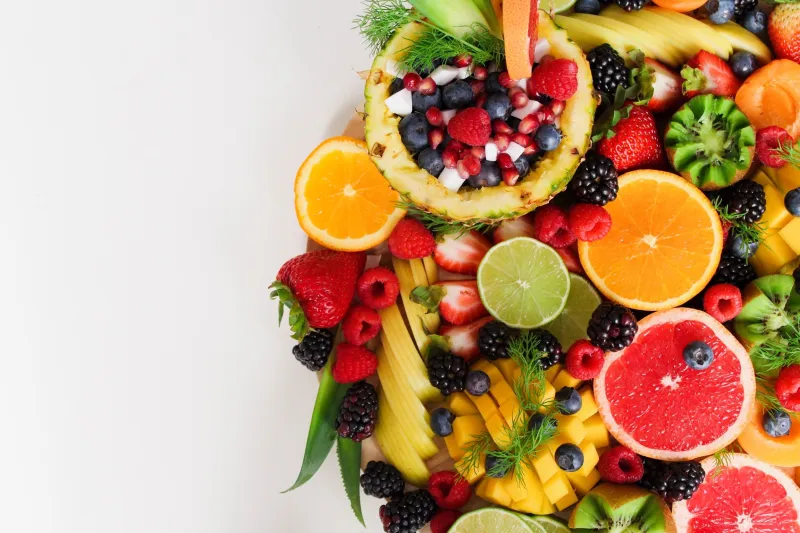
Photo: healthy grain bowl with crunchy seeds creamy yogurt and roasted vegetables texture, via images.pexels.com
You can do everything right—season the vegetables, add the lemon, use the good olive oil—and still sit down to a bowl of food that feels like eating a cloud. Tasty enough, maybe. Satisfying? Not really. That gap is often texture.
Texture is the part of eating we notice before flavor. It’s the crunch of a fresh cucumber, the resistance of a chewy grain, the creaminess of yogurt, the shatter of a roasted chickpea. It tells us whether food is fresh, rich, crisp, or soft. And it shapes how much we enjoy a meal, how quickly we eat it, and how full we feel afterward.
In healthy cooking, texture is often the missing tool. We focus on calories, protein, fiber, and vegetables. We forget that a plate of steamed broccoli, boiled chicken, and brown rice is not just nutritionally balanced—it’s texturally monotonous. And monotonous food is hard to love.
What research says about mouthfeel
Food scientists call it “oral processing”—the work your mouth does to break food down. Chewing time, moisture release, and particle size all affect how satisfying a food feels. Crunchier foods tend to take longer to eat, which can slow down the pace of a meal and give fullness signals time to catch up. That doesn’t mean crunchy food is a magic weight-loss trick. It means texture changes how we eat, not just what we eat.
There’s also a concept called sensory-specific satiety. It’s the reason the first few bites of a food taste amazing and the twentieth feels repetitive. Variety helps. That doesn’t mean you need five different dishes at every meal. It can mean contrast within one dish: soft grains with crunchy seeds, creamy yogurt with crisp cucumber, tender fish with a sharp slaw.
Research on expected satiety suggests we judge how filling a meal will be partly by how it looks and feels. A thick soup can seem more satisfying than a thin broth. A chunky grain bowl can feel more substantial than a smoothie, even if the smoothie has more calories. These are perceptions, not nutritional truths, but perceptions matter. If a meal doesn’t feel like a meal, you’re more likely to go looking for something else afterward.
Why healthy cooking so often goes soft
Think about the typical healthy plate: steamed vegetables, poached chicken, oatmeal, soup, yogurt, smoothies, beans cooked until tender. None of these are bad foods. But when every meal is soft, wet, or creamy, eating becomes a mush of good intentions.
Raw vegetables are crunchy, but many of us cook them until they’re limp. Whole grains can be chewy, but we sometimes overcook them into porridge. Nuts and seeds add crunch, but they’re calorie-dense, so we use them sparingly. And processed crunchy toppings—croutons, fried onions, chips—bring fat and sodium that we’re trying to avoid.
The answer isn’t to deep-fry your way to satisfaction. It’s to build texture on purpose, using ingredients that add contrast without turning dinner into a bar snack.
Try the three-texture rule
A simple way to improve almost any healthy meal is to aim for three textures on the plate: something soft or creamy, something crunchy, and something chewy or tender with a little resistance.
A grain bowl can hit all three: fluffy rice or quinoa, creamy avocado or yogurt, crunchy shredded cabbage or toasted seeds, and chewy roasted vegetables. A soup can work too: a smooth base, a tender vegetable, and a crunchy topping of toasted pepitas or a few whole-grain crackers. Even a simple breakfast can get there: creamy oatmeal, crunchy apple, and chewy dried fruit.
You don’t need to count textures or make it complicated. Just look at the plate and ask whether every bite will feel the same. If the answer is yes, add one contrasting element.
Crunch without frying
Crunch is the easiest texture to add, and it doesn’t require a fryer. Toasted nuts and seeds are the classic move—almonds, walnuts, sunflower seeds, sesame seeds, pepitas. Toast them in a dry skillet or a low oven until fragrant, then sprinkle them on salads, soups, roasted vegetables, and yogurt.
Raw vegetables are another reliable source. Thinly sliced cabbage, grated carrots, cucumber, radishes, celery, and bell peppers all add crispness. A quick slaw with vinegar and a pinch of salt can wake up a heavy meal.
Roasted chickpeas are crunchy without being fried. Dry them well, toss with oil and salt, and roast at 425°F until they rattle in the pan. They’re good on bowls, in salads, or eaten straight off the tray while you’re pretending to be patient.
And don’t overlook whole-grain crackers, pomegranate seeds, or a few chopped water chestnuts. A little crunch goes a long way.
Creaminess without heavy cream
Creamy textures can make healthy food feel indulgent, but you don’t need a cup of cream to get there. Plain Greek yogurt is tangy and rich. Blended cottage cheese turns silky in a food processor. Tahini mixed with water and lemon becomes a pourable sauce. Pureed white beans add body to soups and dips. Avocado brings richness to toast and bowls. Silken tofu blends into smooth sauces and dressings.
The trick is to use creamy elements as a base or a contrast, not as a blanket. A dollop of yogurt on a spicy bowl, a smear of bean puree under roasted vegetables, a tahini drizzle over crispy chickpeas. That way the creaminess feels intentional instead of heavy.
Contrast is the real goal
Texture works best when it’s in conversation with the rest of the plate. Hot and cold. Soft and crisp. Sweet and sour. A cold cucumber salad next to a warm grain bowl. A crunchy slaw under tender fish. A crisp-edged roasted vegetable with a creamy dipping sauce.
Temperature matters too. We often overlook it, but a meal with both hot and cool elements feels more dynamic than a plate of food that’s all the same temperature. That’s why a scoop of cold yogurt on a hot bowl of chili is so satisfying.
None of this requires special equipment or a new pantry. It requires noticing what your mouth is missing. If a dish feels flat, ask whether it needs salt or acid—or whether it needs a crunch. Often, it’s the latter.
Texture isn’t a gimmick, and it isn’t a loophole for eating more fried food. It’s a legitimate part of cooking well. When healthy meals feel good to eat, you’re more likely to keep eating them. And that’s the whole point.