That 3 P.M. Wall Isn't Inevitable—It's a Recipe Problem
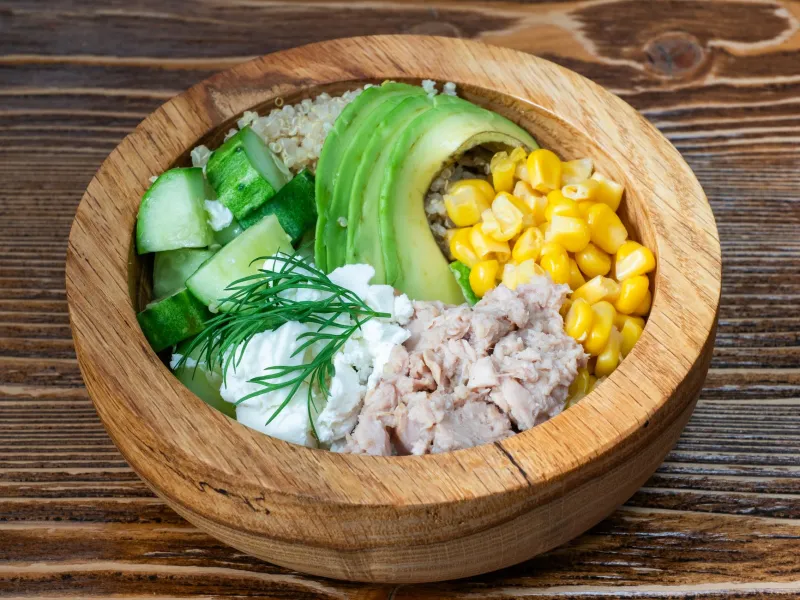
It's 2:47 on a Tuesday. You've had a perfectly reasonable lunch—maybe a sandwich, maybe a grain bowl—and suddenly your brain feels like it's running through wet sand. You're not lazy. You're not undisciplined. You're riding the back half of a blood sugar wave that your kitchen built a few hours earlier.
The good news? What the kitchen builds, the kitchen can fix. And no, the answer isn't banning bread or fearing rice.
The Seesaw, Explained Without the Lecture
When you eat a meal heavy on quickly digested carbohydrates—white bread, plain pasta, sugary yogurt, juice—glucose hits your bloodstream fast. Your pancreas responds with a surge of insulin, which hustles that sugar out of the blood and into your cells, sometimes overshooting. The result: a dip below where you started. Fatigue, brain fog, irritability, cravings for something sweet to prop the number back up. Rinse and repeat at 3 P.M. every day of your life.
Researchers sometimes call this reactive hypoglycemia; most of us just call it the afternoon crash. What matters is that the swing is largely a composition problem, not a carb problem.
Pairing: The Single Most Useful Habit
Carbohydrates eaten alone behave very differently than carbohydrates eaten alongside protein, fat, and fiber. Protein and fat slow gastric emptying, which blunts the glucose spike and softens the landing. Fiber does similar work, literally getting in the way of rapid absorption.
In practice, this looks less like a diet and more like a plate audit:
- Toast alone? Add an egg or smash on some avocado.
- Fruit as a snack? Pair it with a handful of nuts or a cheese stick.
- Pasta night? Make sure there's a real portion of chicken, sausage, or white beans in there, not just a decorative sprinkle.
The meal you already love stays on the table. It just brings friends.
Smart Swaps That Don't Feel Like Sacrifice
Some staples can be quietly upgraded with zero grief:
Rice. Cook it, then chill it overnight. Cooling triggers a process called retrogradation, which converts some digestible starch into resistant starch—food for your gut bacteria that produces a gentler glucose response. Reheat it and most of the benefit sticks around. Fried rice, rice salads, meal-prepped burrito bowls: all improved.
Bread. Sourdough's fermentation lowers its glycemic punch compared to many soft white loaves. Dense, seeded breads also digest more slowly. You don't have to give up the sandwich.
Potatoes. Same cooling trick applies. A chilled potato salad with mustard vinaigrette and dill hits differently—in every sense—than hot fries.
Breakfast cereal. Swapping instant oatmeal for steel-cut or rolled oats, then adding nuts and berries, turns a spike into a slow release.
The Order of Operations Trick
Here's one of the more fun findings from recent glucose research: when you eat within a meal matters. Studies using continuous glucose monitors have shown that eating vegetables or protein before the starch portion of a meal can meaningfully flatten the glucose curve.
You don't need to turn dinner into a staged event. But starting with the salad, or eating the vegetables and protein before diving into the rice, is a zero-effort habit that compounds. Think of it as course-ordering your way to steadier energy.
A Builder Framework for Steady Meals
When you're standing in front of the fridge at noon, run this four-slot checklist:
- Fiber anchor: vegetables, beans, lentils, or whole grains—half the plate.
- Protein: eggs, poultry, fish, tofu, Greek yogurt, leftover roast—aim for a palm-sized portion or more.
- Fat: olive oil, avocado, nuts, seeds, tahini—enough to make it satisfying.
- Smart carb: the rice, bread, or pasta you actually want, now buffered by everything else.
Hit all four and you've engineered a meal that releases energy like a dimmer switch instead of a light flicked on and off.
The 3 P.M. Itself
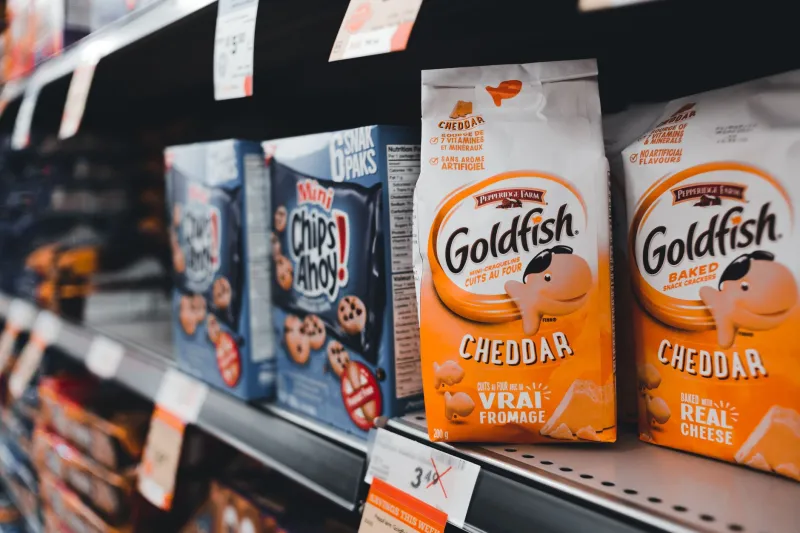
Even with better meals, afternoons happen. Meet them with the same logic: an apple with peanut butter beats pretzels; a square of dark chocolate with almonds beats a candy bar; Greek yogurt with berries beats a granola bar that's mostly syrup. And if the crash shows up anyway, a ten-minute walk does more than another coffee—it helps your muscles pull glucose out of the blood all on their own.
The seesaw isn't a character flaw. It's chemistry responding to inputs. Change the inputs—the pairing, the swaps, the order, the snack—and the 3 P.M. wall stops being a daily appointment. Your kitchen set it up. Your kitchen can take it down.