One Table, Every Diet: The Host's Guide to Feeding Keto Cousins, Vegan Coworkers, and Everyone in Between

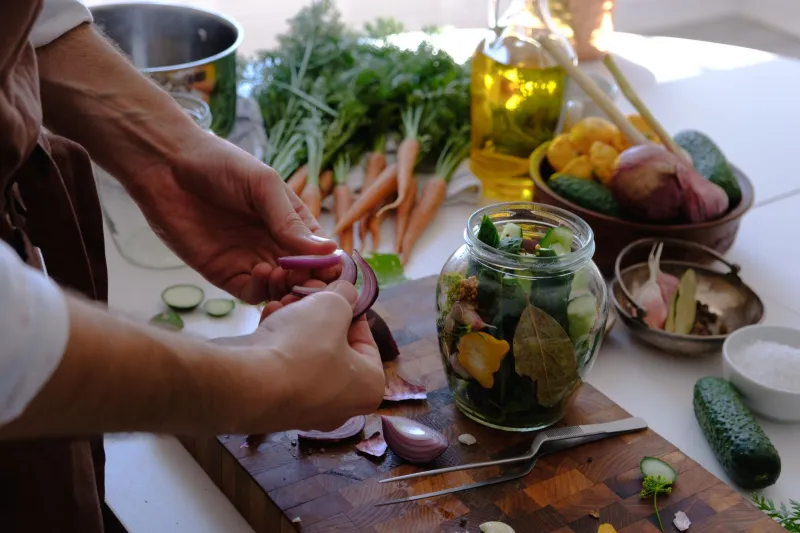
Photo: colorful Mediterranean dinner party spread with shared platters and bowls on rustic table, via images.stockcake.com
The invite went out weeks ago. Now you're staring at your group chat like it's a final exam: Marcus is keto, Priya's vegan, Aunt Renee swears garlic 'doesn't agree with her' anymore, and your brother-in-law will eat literally anything as long as there's dessert. Sound familiar?
Here's the good news: you don't need to run a short-order kitchen. You need a strategy—and honestly, a little mindset shift.
Stop Cooking for Restrictions. Start Cooking with a Framework.
The mistake most hosts make is treating every dietary need as a separate order to fill. Instead, think like a salad bar: build a menu with modular components that guests assemble themselves.
We call it the build-your-own format, and it's the single most useful hosting trick for mixed-diet tables. The formula is simple:
- One satisfying base (roasted spaghetti squash, cauliflower rice, herbed quinoa, shredded romaine)
- Two or three proteins (citrus-marinated chicken thighs, spiced roasted chickpeas, seared shrimp)
- A pile of vegetables with at least one preparation that's exciting—charred Brussels sprouts, blistered peppers, roasted carrots with cumin
- A fat-forward finishing station (avocado, toasted nuts, crumbled feta, olive oil–packed sun-dried tomatoes)
Keto guests skip the grains. Vegans pile on chickpeas and avocado. Nobody feels like a special case, because nobody is one. You cooked one dinner; they built their plates.
The Menu Architecture That Scales
Before you shop, run your draft menu through a quick mental checklist:
- Can each component stand alone? A great roasted vegetable side is just as delicious next to steak as it is over rice.
- Are the star dishes accidentally exclusive? A 'vegan stew' finished with heavy cream excludes everyone else—keep dairy add-ins at the table instead of in the pot.
- Is there real protein for every diet? Roasted chickpeas and marinated tofu aren't just vegan afterthoughts; done well, they disappear fast.
- Does dessert have a plan B? A dark chocolate-and-fruit board or coconut-milk panna cotta covers vegan, gluten-free, and lower-sugar guests in one move.
Three Menus That Work for (Almost) Everyone
Menu One: Mediterranean Mezze Night
The most forgiving format there is—essentially a build-your-own spread by nature.
- Lemon-oregano grilled chicken skewers
- Herbed lentils with scallions and olive oil
- Roasted eggplant and zucchini with za'atar
- Big platter of cucumber, tomatoes, olives, and pickled onions
- Tahini sauce, tzatziki, and harissa on the side
- Dessert: orange segments with dates, mint, and pistachios
Keto guests load up on skewers and vegetables; vegans build on lentils and tahini. Serve grain-free crackers and warm pita both, and let people choose.
Menu Two: Taco Bar, Elevated
A taco night reads casual, but the format is genius: total customization, minimal stress.
- Slow-cooked carnitas (naturally keto-friendly)
- Smoky chipotle black beans
- Cauliflower rice and regular cilantro-lime rice
- Charred corn and pepper salad, shredded cabbage, quick-pickled jalapeños
- Guacamole, pico de gallo, queso fresco, hot sauce trio
- Dessert: coconut-lime ice cream with berries
Corn tortillas, cassava tortillas, and lettuce cups mean everyone wraps their way.
Menu Three: Cozy Autumn Supper
When you want something that feels like an occasion:
- Whole roasted maple-mustard salmon (maple keeps it refined-sugar-friendly and a little goes far)
- Braised white beans with rosemary and garlic
- Roasted delicata squash with brown butter served on the side
- Shaved fennel and apple salad with lemon vinaigrette
- Dessert: baked pears with cinnamon and toasted walnuts
Skip the brown butter for a vegan portion of squash, and the salmon-averse can make a meal of beans, squash, and that gorgeous salad.
What to Say When Food Talk Gets Complicated
Sometimes the menu is easy and the conversation isn't. A few scripts worth keeping in your back pocket:
When a guest mentions their diet unprompted: 'That's great—I'll make sure there's plenty you can eat. Anything I should absolutely avoid?'
When someone polices another guest's plate: Redirect with warmth, not judgment. 'Honestly, I'm just glad everyone's eating together. More wine, anyone?'
When a guest brings their own food: Let it go. Nobody's dinner party was ruined by a Tupperware of cauliflower. Making it weird helps no one.
When you're overwhelmed by requests: It's always fair to say, 'I'd love to host—can you bring a dish that works for you and I'll build around it?' Most people with real dietary needs would rather contribute than watch you panic.
The Real Point of the Table
Here's what seasoned hosts eventually figure out: your guests don't remember whether the couscous was compatible with their macros. They remember feeling considered. A table where the keto cousin and the vegan coworker both leave full—and nobody had to explain themselves over the entrée—isn't a logistical victory. It's the whole point of entertaining.
Plan one flexible menu, set the components out, and pour the wine. Everyone else will take it from there.