Your Freezer Is a Food Graveyard—Here's How to Bring It Back to Life
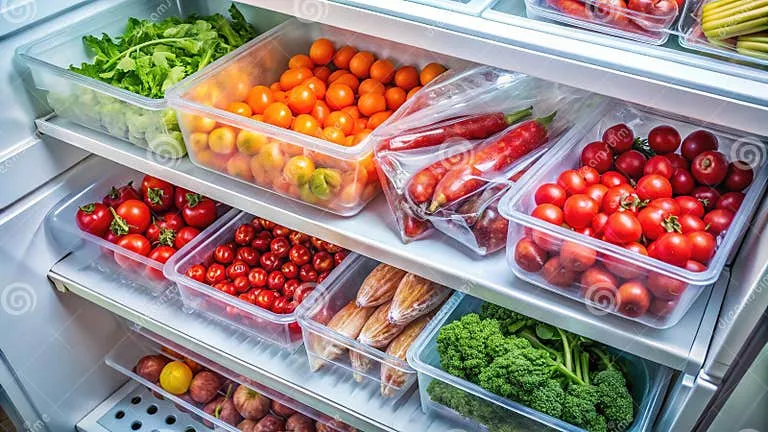
Photo: organized home freezer with healthy frozen vegetables and proteins, via thumbs.dreamstime.com
Let's be honest for a second. You bought those edamame with every intention of using them. The frozen wild blueberries were going to go into smoothies every single morning. The grass-fed beef was on sale and seemed like a smart, health-forward move at the time. And now? They're all buried somewhere behind a frost-covered mystery container you're afraid to open.
You're not alone, and you're not disorganized. You're just dealing with what food scientists and behavioral researchers call the "out of sight, out of mind" problem—and your freezer is basically designed to make it worse. The good news is that fixing this doesn't require a complete lifestyle overhaul. It mostly requires understanding why the problem happens in the first place, and then making a few genuinely practical changes.
Why Freezing Doesn't Actually Stop the Clock
Here's the part most of us get wrong: freezing food slows deterioration dramatically, but it doesn't stop it entirely. Enzymatic activity, oxidation, and the formation of ice crystals all continue at low levels even at 0°F. That's why your frozen salmon from eight months ago tastes vaguely like cardboard, and why those frozen berries turn mushy and flavorless long before they become unsafe to eat.
The USDA recommends most frozen proteins be used within three to six months for peak quality, and vegetables within eight to twelve months—but those timelines assume consistent freezer temperatures, proper packaging, and minimal air exposure. Most home freezers, especially the top-compartment kind on standard refrigerators, don't maintain consistent temps. Every time you open the door, warm air rushes in. That fluctuation causes partial thawing and refreezing, which accelerates ice crystal damage to cell walls and degrades both texture and nutritional value.
Freezer burn—that grayish, dried-out surface you see on chicken thighs and frozen corn—is actually a form of dehydration caused by sublimation, where ice converts directly to vapor. It doesn't make food unsafe, but it does make it noticeably less pleasant to eat. And when food tastes less pleasant, you don't cook it. And when you don't cook it, it just keeps sitting there.
The Real Reason You're Not Using What You Buy
Beyond the science, there's a behavioral layer to this problem that's worth acknowledging. Most of us shop aspirationally. We buy frozen kale because we want to be the kind of person who throws kale into a morning smoothie. We stock frozen edamame because we picture a neat little weeknight snack situation. But when 6pm rolls around and you're tired and hungry, you're not reaching into the back of a freezer drawer to find something you vaguely remember buying. You're ordering takeout or grabbing whatever's already visible on the counter.
Visibility is everything. Studies on food behavior consistently show that people eat what they can see. That's why produce in a clear bowl on the counter gets eaten faster than produce tucked in a crisper drawer. Your freezer works the same way—if you can't see it, you won't use it.
A Freezer Organization System That Actually Works
The goal isn't to Marie Kondo your freezer into a Pinterest-worthy grid of labeled containers (though that's nice if it's your thing). The goal is to make your healthiest frozen ingredients the easiest ones to reach for.
Start with a full audit. Pull everything out, check dates, and be ruthless. If you can't identify it, toss it. If it's been in there over a year, it's probably not worth the meal it would take to use it. This is the uncomfortable part, but you only have to do it once.
Organize by how you cook, not by food type. Instead of grouping all proteins together and all vegetables together, think in terms of meal categories. Keep your quick-weeknight zone front and center: things like frozen shrimp, pre-portioned ground turkey, and individually frozen salmon fillets that thaw fast. Behind that, store your slow-cook staples—bone broth, larger cuts of meat, batch-cooked grains.
Label everything with the date and a use-by window. A piece of painter's tape and a Sharpie takes about four seconds and saves enormous amounts of guesswork. Even better, add a short note like "use in soups" or "smoothies only" so you're not staring into the abyss wondering what to do with a quart of frozen roasted tomatoes.
Use a first-in, first-out approach. When you add new items, push older ones to the front. It sounds obvious, but almost no one does this consistently.
Cooking From the Freezer Without Losing Your Mind
Once you've got a system, the next piece is building cooking habits that actually pull from your freezer instead of working around it.
Frozen vegetables are one of the most underused nutrition tools in the American kitchen. Because they're typically flash-frozen at peak ripeness, they often retain more vitamins than fresh produce that's been sitting in a refrigerator for a week. The trick is cooking them in ways that account for their texture. Roasting frozen broccoli or cauliflower at high heat (425°F or above) with a drizzle of olive oil caramelizes the edges and eliminates the sogginess problem entirely. Frozen spinach and kale work beautifully in soups, curries, and egg dishes where texture is less critical. Frozen corn and peas can go straight into stir-fries and grain bowls without thawing.
For proteins, the cold-water thawing method is your best friend. Submerge a sealed bag of frozen chicken breasts or shrimp in cold water for 30 to 60 minutes and you're ready to cook—no advance planning required. This matters because one of the biggest barriers to using frozen proteins is the feeling that you have to think ahead. You don't.
Designate one meal per week as a "freezer clean-out" meal. Fried rice, grain bowls, soups, and sheet-pan dinners are all formats that absorb almost any combination of frozen ingredients without requiring a specific recipe. This one habit alone can meaningfully reduce food waste while making weeknight cooking feel creative instead of stressful.
The Freezer as a Genuine Wellness Tool
When your freezer is organized, stocked intentionally, and regularly drawn from, it becomes something genuinely powerful: a buffer between you and the decision fatigue that leads to less-healthy choices. Having frozen wild salmon, a bag of pre-portioned smoothie packs, and a container of homemade lentil soup means that even on the worst Tuesday night, a nutritious meal is 20 minutes away.
That's not a small thing. A lot of healthy eating falls apart not because people don't know what's good for them, but because the friction between knowing and doing is too high. Your freezer, used well, lowers that friction considerably.
So yes, do the audit. Label the containers. Move the edamame to the front. It might feel like a small domestic chore, but it's actually one of the more meaningful investments you can make in eating well on a regular basis.