Dinner for One, Done Properly: A Small-Batch Approach That Doesn’t Taste Like an Afterthought
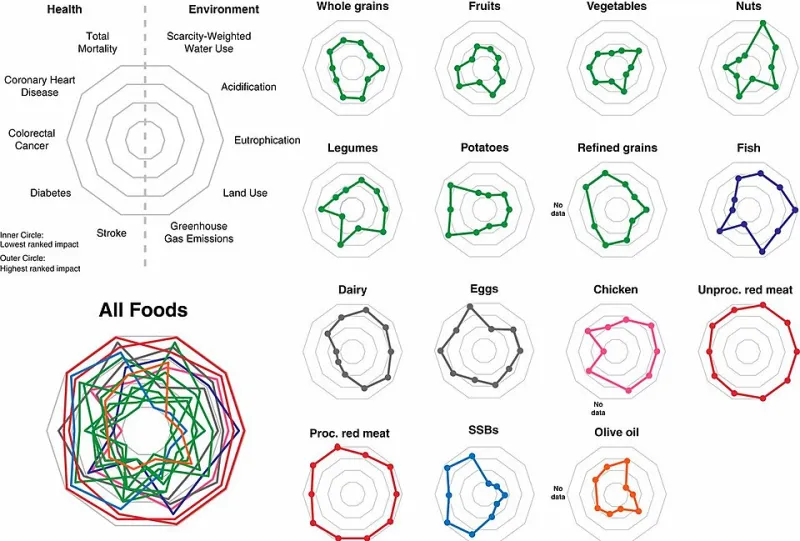
Photo: Michael A Clark, Marco Springmann, Jason Hill, and David Tilman, CC BY-SA 4.0, via Wikimedia Commons
Cooking for one has a branding problem. Somewhere along the way, solo dinners became synonymous with two options: a giant pot of something you eat for six days straight, or a packaged meal you eat standing up while scrolling your phone. Neither feels like a real dinner. Both make it easy to stop caring.
But a solo dinner is still dinner. It deserves a vegetable. It deserves a little thought. And it does not require a full Sunday meal-prep production line that leaves you with twelve identical containers and a low-grade resentment toward your own kitchen.
The better approach is smaller and more flexible: cook components instead of complete meals, shop with a single person’s appetite in mind, and use your freezer as a quiet helper rather than a graveyard. Here’s how to make that work.
Shop like one person actually lives here
The biggest solo-cooking trap starts at the store. Recipes are written for four. Produce is sold in bunches. Meat comes in family packs. If you shop without a plan, you end up cooking for a phantom family and then eating the evidence all week.
Start by buying smaller quantities of fewer things. One head of broccoli, one bell pepper, a couple of carrots, a small bag of spinach. Loose produce is your friend when it’s available. So are bulk bins for grains and beans, where you can buy a cup of rice or a half-pound of lentils instead of a five-pound bag.
For proteins, think in single portions. Two chicken thighs, one salmon fillet, a half-pound of ground turkey, a block of tofu. You don’t need to buy one of everything. Pick two proteins for the week and build around them.
And keep a short list of flexible staples: eggs, canned beans, plain yogurt, frozen vegetables, a lemon, garlic, onions, olive oil, vinegar, and a grain you actually like. Those are the ingredients that turn a lonely refrigerator into a fast dinner.
Cook components, not casseroles
One of the most useful shifts is to stop thinking in recipes and start thinking in parts. A grain, a protein, a vegetable, and a sauce. Cook each one simply, then combine them differently throughout the week.
Roast a tray of vegetables on Sunday? Great. Cook a pot of farro or rice. Sear two chicken thighs or bake tofu cubes. Make a quick sauce—yogurt with lemon and herbs, tahini with water and garlic, or a simple vinaigrette. Now you have the building blocks for bowls, salads, wraps, and quick skillets without committing to the same meal five nights in a row.
The key is to keep the components neutral enough to be flexible. Season the chicken with salt and pepper, not a heavy marinade. Roast the vegetables with olive oil and salt, then add acid or heat at the end. That way Tuesday’s grain bowl and Thursday’s stir-fry don’t taste identical.
Build a small freezer system
A freezer works best for solo cooking when it holds components, not giant finished meals. Freeze cooked grains in single-serving portions. Freeze sauces in ice cube trays, then pop the cubes into a bag. Freeze leftover roasted vegetables flat in a zip-top bag so they thaw quickly. Freeze a few portions of soup or chili, but label them with the date and actually eat them within a couple of months.
Keep one emergency meal in the freezer—something you genuinely like, not something you bought in a panic. A single-serving container of good soup or a homemade bean stew can save a Tuesday night. But don’t let the freezer become a museum of good intentions. If you haven’t touched something in three months, it’s not emergency food. It’s clutter.
Fast dinners that feel intentional
Solo cooking gets easier when you have a few templates rather than a long list of recipes. These are not elaborate meals. They’re the kind of dinners you can make after work without measuring much.
White beans and greens skillet: Heat olive oil, add garlic and a pinch of red pepper flakes, then a can of white beans and a few handfuls of spinach. Cook until the spinach wilts, then finish with lemon juice and a little Parmesan. Toast a piece of whole-grain bread while it cooks.
Crispy chickpea bowl: Drain and dry a can of chickpeas, toss with olive oil and salt, and roast at 425°F until crisp. Serve over rice or greens with plain yogurt, cucumber, and a squeeze of lemon.
Miso-sesame noodles: Cook a single portion of noodles. Whisk miso, a little soy sauce, sesame oil, and hot water into a sauce. Toss with the noodles, frozen edamame, and sliced scallions. It takes about ten minutes and feels like a real dinner.
The common thread is speed and contrast: something starchy, something fresh, something savory. You don’t need a full pantry. You need a few things that work together.
Avoid the two classic traps
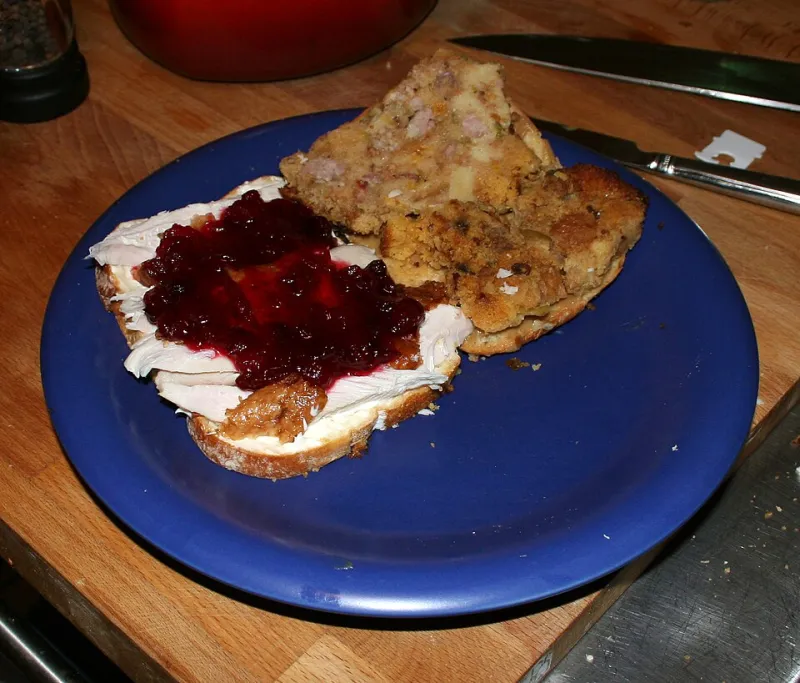
The first trap is endless leftovers. If you cook a full recipe, portion out what you’ll eat tonight and one lunch, then freeze or repurpose the rest immediately. Don’t leave a giant pot in the fridge hoping inspiration strikes. Turn leftover roasted vegetables into a frittata. Add leftover grains to a soup. Fold leftover beans into a quesadilla. Give leftovers a second act, not a sixth encore.
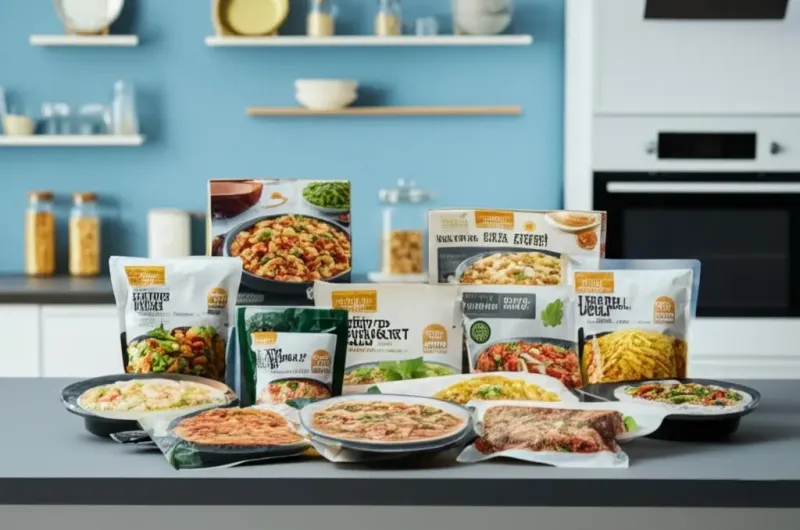
The second trap is defaulting to packaged food because cooking for one feels pointless. It’s not pointless. But it does help to keep a few semi-convenient foods on hand that you can upgrade in five minutes: frozen dumplings with a quick cucumber salad, a good boxed soup with fresh herbs and lemon, or a frozen burrito with cabbage slaw and salsa. Convenience isn’t the enemy. Convenience with no freshness is just boring.
Cooking for one is not a lesser form of cooking. It’s just a smaller scale. Buy less, cook components, freeze smart, and give yourself permission to make a dinner that looks like you cared. Because you did.