Stop Batch-Cooking Meals. Start Batch-Cooking Ingredients.
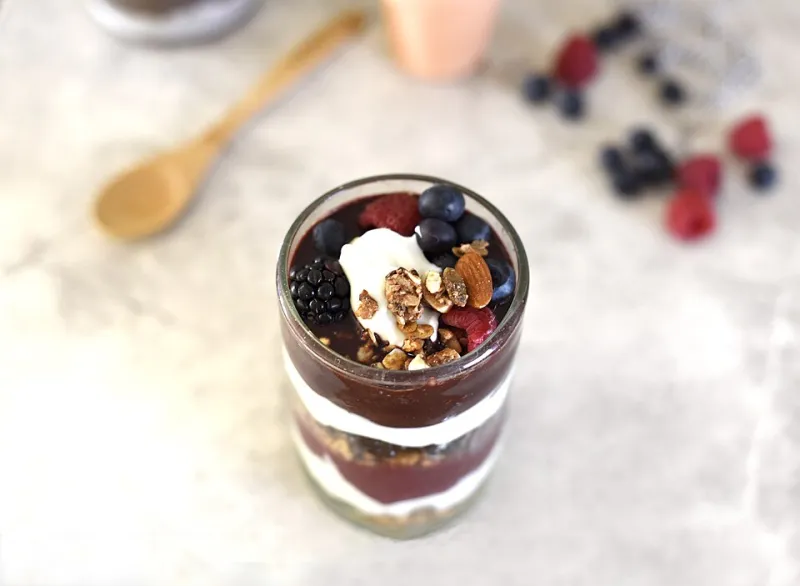
Photo: Sambazon sambazon, CC0, via Wikimedia Commons
Raise your hand if this sounds familiar: last Sunday, you spent three hours roasting sheet pans of chicken and assembling tidy containers of grain bowls, feeling like a wellness influencer. By Wednesday, the sight of that third identical container made you want to order pizza. By Thursday, everything went to the back of the fridge, where it quietly expired.
Here's the problem nobody talks about: batch-cooking finished meals is a flavor dead end. Food that's been sitting assembled for four days tastes like Tuesday, no matter what day it is. But batch-cooking components? That's a completely different game.
The 60-Minute Building Block System
The idea is simple. Instead of cooking five dinners, you cook three versatile ingredients plus one killer sauce. Call them your kitchen's Lego bricks. One hour, roughly, and here's the Sunday run sheet:
Minutes 0–10: Preheat and load. Oven to 425°F. Chop two pounds of hardy vegetables—broccoli, Brussels sprouts, carrots, sweet potato, whatever's in season—and get them on one or two sheet pans with olive oil, salt, and pepper. Slide them in.
Minutes 10–20: Start the grain. Rinse a big pot of quinoa, farro, or brown rice and get it simmering. It'll do its thing unattended for 25–40 minutes while you handle everything else.
Minutes 20–40: Make the signature sauce. This is the secret weapon. A punchy sauce is what makes the same ingredients taste like five different dinners. My default: a lemon-tahini number (tahini, lemon juice, garlic, a splash of warm water, salt) that takes seven minutes in a blender. A peanut-lime sauce or a chimichurri works just as well.
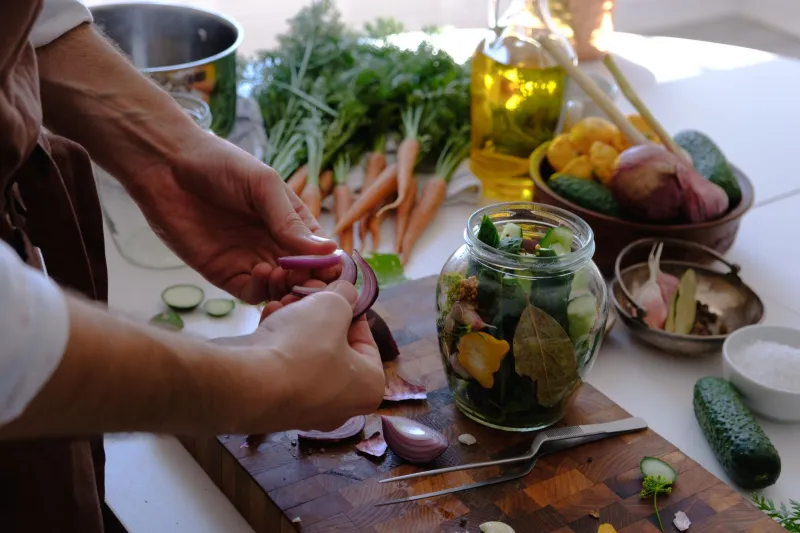
Minutes 40–55: Prep a protein, quick-pickle something. Drain a couple of cans of chickpeas, season them, and toss them on the veggie sheet pan for the last 15 minutes of roasting. Meanwhile, slice a red onion or some cucumbers into a jar with vinegar, water, salt, and a pinch of sugar. Quick pickles take ten minutes of active work and last two weeks.
Minutes 55–60: Cool, label, store. Everything into containers. Done. Kitchen's clean before the oven's even off.
The Mix-and-Match Formula
Now the fun part. Every weeknight dinner is just: grain + veg + protein + sauce + something crunchy or pickled. Rotate the arrangement and the additions, and you've got five legitimately distinct meals:
- Monday: Grain bowl—quinoa, roasted broccoli, chickpeas, tahini sauce, pickled onions.
- Tuesday: Tacos—warmed tortillas, roasted sweet potato, black beans from a can (rinsed, seasoned with cumin), quick-picked onions, a drizzle of that sauce thinned with lime.
- Wednesday: A proper salad—greens from the crisper drawer, farro if you made it, whatever roasted veg is left, chickpeas, sauce thinned into a dressing.
- Thursday: Skillet fry—everything hits a hot pan for five minutes with an egg fried on top. Totally different texture, zero extra prep.
- Friday: Loaded toast or baked potatoes—topped with the veg, protein, sauce, and pickles. Pizza-adjacent, but virtuous.
Why This Actually Sticks
The psychology here matters as much as the logistics. Fully assembled meals create decision fatigue in reverse—you've already decided, so eating becomes an obligation. Components keep a small door of choice open every night, which is enough to make dinner feel like cooking instead of reheating.
It also solves the texture problem. Roasted vegetables stay crisper when they're combined at the last second. Grains don't go glunky. Sauces keep everything fresh-tasting because they're the last thing added, not the thing everything's been drowning in since Sunday.
A Few Real-Talk Tips
Don't prep delicate greens or anything you'd only eat raw—they'll turn on you by Tuesday. Keep the sauce separate until the moment you eat. And if you're feeding a family, set the components out buffet-style and let everyone build their own bowl; you'll be amazed how few complaints you get when people have agency over their own dinner.
One hour on Sunday. Five dinners that don't taste like leftovers. That's not meal prep—that's a weeknight insurance policy.