Eat Well on Less: A Real-World Guide to Nutritious Meals That Won't Drain Your Wallet
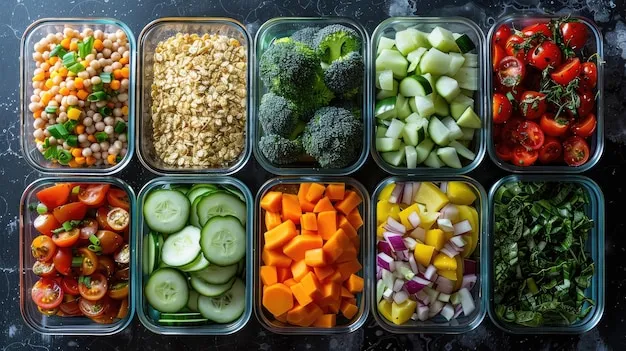
Photo: affordable healthy meal prep ingredients beans vegetables grains on kitchen counter, via img.freepik.com
There's a particular kind of fatigue that sets in when you're trying to eat well on a budget. You open a wellness blog looking for help, and instead you find recipes calling for grass-fed beef, four kinds of ancient grains, and a finishing drizzle of cold-pressed avocado oil. You close the tab. You order pizza.
This is the budget burnout trap—and it's a real barrier for a lot of health-conscious home cooks who genuinely want to eat better but can't stretch their grocery dollars to match what the wellness industry keeps telling them they need.
Here's the good news: wholesome, satisfying food is more affordable than the curated Instagram version of healthy eating suggests. You just need a different playbook.
Reframe What "Healthy" Actually Costs
Before we get into tactics, let's challenge a foundational assumption: that nutritious food is inherently expensive. It isn't. Some of the most nutrient-dense foods on the planet are also among the cheapest.
Dried lentils run about $1.50 per pound and deliver more protein and fiber per dollar than almost anything else in the grocery store. Canned sardines—loaded with omega-3s, calcium, and vitamin D—often cost less than $2 a tin. A bag of frozen spinach costs around $2 and contains more iron and folate than a $7 clamshell of baby greens. Oats, eggs, cabbage, sweet potatoes, canned tomatoes, dried beans: these aren't budget compromises. They're nutritional powerhouses that happen to be affordable.
The expensive version of healthy eating is a marketing phenomenon, not a nutritional requirement.
Strategy 1: Build Your Meals Around the "Affordable Nutritious Core"
Instead of starting with a recipe and buying ingredients to match, flip the script. Identify a core group of affordable, nutritious staples and build your weekly meals around them.
Your affordable nutritious core might look something like this:
- Proteins: Eggs, canned tuna or salmon, dried or canned beans and lentils, chicken thighs (almost always cheaper than breasts), plain Greek yogurt
- Vegetables: Frozen peas, corn, broccoli, and spinach; fresh cabbage, carrots, onions, and whatever's on sale or in season
- Whole grains: Oats, brown rice, whole wheat pasta, barley
- Healthy fats: Regular olive oil (not extra virgin for cooking), peanut butter, sunflower seeds
Once this core is in your pantry and fridge, meals become much easier to improvise without running to the store for a specific ingredient that costs $9.
Strategy 2: Get Strategic About Frozen and Canned
Frozen and canned produce carry an unfair reputation in wellness circles. The reality? Frozen vegetables are typically harvested and frozen at peak ripeness, which means their nutrient profiles are often comparable to—or better than—fresh produce that's been sitting in a distribution chain for a week.
Canned beans, tomatoes, and fish are similarly underrated. Drain and rinse canned beans and you've got a protein source that's just as nutritious as dried, with zero soaking time. Look for canned fish packed in water or olive oil, and opt for low-sodium versions of canned vegetables when possible.
A practical cost comparison: a 15-oz can of chickpeas costs roughly $1.00–$1.50 and provides about 3 servings of plant-based protein. Compare that to a 4-oz chicken breast, which runs $1.50–$2.50 depending on where you shop. Neither is wrong—but rotating in more plant proteins is one of the most effective ways to lower your weekly grocery bill without sacrificing nutrition.
Strategy 3: Batch Cook Once, Eat Three Ways
Batch cooking doesn't have to mean spending your entire Sunday in the kitchen preparing color-coded containers. A more sustainable approach is what we call the "cook once, eat three ways" method.
Here's how it works in practice:
- Cook a large pot of brown rice on Sunday. On Monday, it's a base for a stir-fry with frozen vegetables and a fried egg. On Wednesday, it goes into a burrito bowl with canned black beans and salsa. On Friday, it becomes a simple fried rice with whatever vegetables need to be used up.
- Roast a whole chicken (often cheaper per pound than cut pieces). Night one: roast chicken with roasted carrots. Night two: shredded chicken tacos. Night three: chicken and vegetable soup using the carcass for broth.
This approach reduces food waste, keeps meals interesting, and dramatically cuts down on the mental load of figuring out what to cook every night.
Strategy 4: Shop Seasonally—But Do It Practically
Seasonal eating is genuinely one of the best budget strategies, because produce that's in season locally is almost always cheaper than out-of-season imports. In late summer, tomatoes and zucchini are abundant and cheap. In fall and winter, squash, sweet potatoes, and root vegetables shine.
You don't need to haunt a farmers market to eat seasonally. Your regular grocery store reflects seasonal pricing too—just look at what's on sale and what's piled high in the produce section. That's your seasonal guide.
A few reliable seasonal budget wins by region and season:
- Spring: Asparagus, cabbage, peas
- Summer: Zucchini, corn, tomatoes, peppers
- Fall: Sweet potatoes, apples, winter squash
- Winter: Citrus, carrots, beets, hearty greens
Strategy 5: Know Where to Spend and Where to Save
Not every food choice deserves the same level of investment. A smart budget framework means knowing which items are worth paying more for and which ones you can buy at the lowest price available.
Worth the investment:
- Extra virgin olive oil for dressings and finishing (a little goes a long way)
- A quality protein source a few times a week
- Spices and dried herbs (they transform cheap ingredients into genuinely delicious meals)
Safe to go budget:
- Frozen fruits and vegetables
- Canned beans, tomatoes, and fish
- Store-brand grains, oats, and pasta
- Eggs (nutritionally identical regardless of price, unless you have specific ethical preferences)
- Conventional versions of produce that aren't on the EWG's Dirty Dozen list
The Mindset Shift That Changes Everything
Ultimately, eating well on a budget is less about finding the perfect cheap recipe and more about shifting how you think about food. Healthy eating doesn't require a specialty grocery store, a meal kit subscription, or a weekend's worth of elaborate prep. It requires a reasonably stocked pantry, some familiarity with versatile ingredients, and the willingness to cook simply and often.
The most nourishing meals are often the least complicated ones: a bowl of lentil soup with crusty bread, a scrambled egg with sautéed greens, a grain bowl topped with roasted vegetables and tahini. None of these cost more than a few dollars a serving. All of them will leave you feeling genuinely well-fed.
Budget burnout is real—but it's usually a symptom of chasing someone else's version of healthy eating. Build your own version, anchored in real food, smart shopping, and cooking that actually fits your life.