What's Actually in That Bottle of Olive Oil? A Shopper's Guide to Labels, Harvest Dates, and Hype
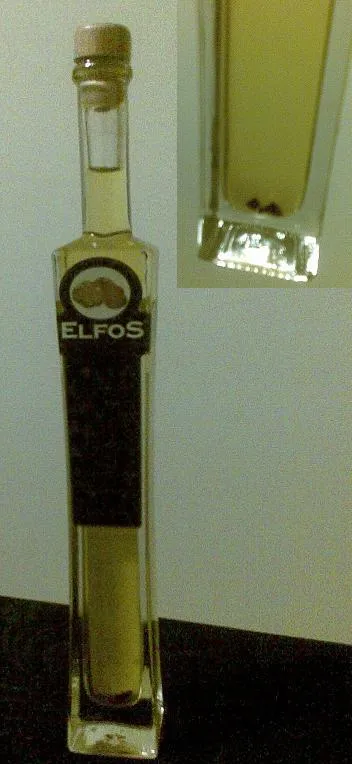
Photo: The Ogre, CC BY-SA 3.0, via Wikimedia Commons
The olive oil aisle is one of the few places in an American supermarket where a $9 bottle and a $32 bottle can look almost identical, use nearly the same words, and perform completely differently in your kitchen. It's also a category with a documented history of mislabeling. So a little decoding goes a long way.
Grades, Without the Semiotics
Extra virgin is the top tier: oil pressed from olives using mechanical means only, no heat or chemical refinement, with low free acidity and a clean flavor. That's the one worth caring about, because it's the one that carries the polyphenols and the flavor.
Virgin is roughly the same process with a slightly looser quality bar. It's fine, and it's rare on US shelves.
Pure olive oil and light olive oil are the marketing terms to watch. Neither is purer or lighter in calories than extra virgin — both are blends of refined olive oil with a small amount of virgin oil. Refining neutralizes flavor and strips most of the minor compounds. They're perfectly good for high-heat frying where you don't want the oil's character in the food. They are not a health upgrade.
The Date That Matters More Than 'Best By'
Olive oil is a fresh juice. It's at its best within a year of harvest, and it degrades steadily after that. A 'best by' date two years out tells you almost nothing, because it's typically calculated from bottling, not pressing.
What you want is a harvest date — ideally a month and year, like 'November 2026.' Northern Hemisphere olives are picked in late fall and winter, so a bottle labeled with a current-season harvest is about as fresh as you're going to get. Southern Hemisphere oil (Chile, Argentina, Australia) is harvested in our spring, which is a genuine advantage in late summer when Northern Hemisphere oil is nine months old.
If a bottle has no harvest date at all, that's information too. Buy it if it's cheap and you're frying. Don't buy it as your good finishing oil.
Where Fraud Sneaks In
Olive oil is one of the most frequently adulterated food products in the world, largely because the economics are so tempting — a mild, cheap oil can be cut into an expensive one and the difference is hard to taste through a bottleneck. A well-known study from the UC Davis Olive Center found that a majority of imported extra virgin samples tested didn't meet the sensory or chemical standard for the grade. That was years ago and enforcement has improved, but the lesson holds: the label is a claim, not a guarantee.
The most useful countermeasures are boring. Look for a harvest date. Look for a certification seal such as the California Olive Oil Council's for domestic oil, or a recognized PDO/PGI designation for European bottles. Buy from retailers with fast turnover. And prefer dark glass or tins, because light destroys the compounds you're paying for.
The Smoke Point Myth
You've probably heard that extra virgin olive oil is too delicate for high heat. It isn't. Good extra virgin olive oil has a smoke point somewhere in the 350–410°F range, which covers sautéing, roasting, and most pan-frying. It's also relatively resistant to oxidation thanks to its fat profile and polyphenol content, which is more than can be said for some polyunsaturated oils with higher smoke points.
What extra virgin olive oil won't survive is repeated high-heat use — so don't treat it as fryer oil. And there's a flavor argument too: if you're cooking something where the oil is a background player, a decent mid-priced bottle does the job. Save the peppery, expensive stuff for finishing.
Polyphenols, Honestly
Polyphenols are the antioxidant compounds behind olive oil's bitter, peppery kick, and they're the main reason extra virgin gets the health attention it does. Fresh, early-harvest oils tend to have more of them; older, refined, and blended oils have less. Some bottles now print a polyphenol number in milligrams per kilogram, and high-phenolic oils are genuinely a different product.
But here's the calibration: no single number on a label will transform your diet. Olive oil is a good fat that makes vegetables taste better and helps you eat more of them. That's already a real win. Chasing the highest polyphenol count on the shelf while your produce drawer wilts is missing the point.
The Five-Minute Kitchen Test
You don't need lab equipment. Pour a tablespoon into a small glass, cup it in your hands to warm it for a minute, and smell. Fresh oil smells green — cut grass, tomato leaf, artichoke, sometimes a hint of banana. Then sip it, and pay attention to the back of your throat. A good extra virgin often produces a peppery catch or a slight cough. That sting is oleocanthal, and it's a reasonable proxy for freshness and phenol content.
What you're looking for in the bad column: a greasy or waxy smell, a faint putty or cardboard note, or a flat, flavorless finish. If a bottle you bought as extra virgin tastes like nothing at all, you probably bought refined oil in a fancy wrapper.
Storage Rules That Actually Matter
- Keep it dark. A cupboard away from the stove, not the shelf above the range.
- Keep it sealed. Oxygen is the enemy; use a pour spout with a stopper or just screw the cap on tight.
- Buy smaller. A liter is a lot of oil for a two-person household. Half-liter bottles stay fresher.
- Don't refrigerate long-term. It'll solidify and can pick up fridge odors. Cool and dark beats cold.
- Use it. Olive oil is not a collectible. The best bottle is the empty one.
Spend vs. Save
Spend on one bottle of fresh, date-stamped, single-origin extra virgin for drizzling, dressing, and finishing. Save on a larger, cheaper bottle for roasting sheet pans and everyday sautéing. That two-bottle system covers nearly everything a home cook does, and it costs less than buying one expensive bottle and then being too intimidated to open it.