Sauce With Intention: How to Keep Condiments From Quietly Running the Plate
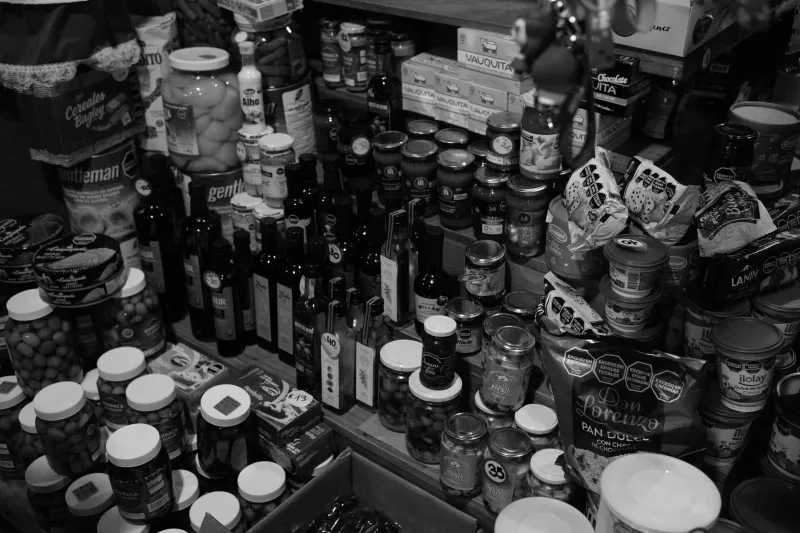
Condiments are supposed to be the supporting cast. A spoon of mustard, a splash of vinegar, a drizzle of chili crisp—these are the little moves that make a plain chicken breast or a bowl of beans feel like dinner instead of a chore. But somewhere between the first drizzle and the third, condiments can stop being seasoning and start being the main event. And unlike a pile of fries, nobody thinks to count them.
That’s the quiet trap. Not that ketchup or soy sauce is evil, but that the bottle has a serving size and your hand has a habit. A label might say 1 tablespoon and 160 milligrams of sodium. A heavy pour at the table can turn that into three or four servings before the meal even starts. Do that a few times a day and the numbers add up without anyone feeling like they ate anything unusual.
This isn’t a case for bland food. It’s a case for paying attention to the bottles that do a lot of work in your kitchen—and making sure they’re working for you.
The 10-minute pantry audit
You don’t need a spreadsheet. Pull every condiment off the shelf, fridge door, and that weird corner cabinet where the hot sauces go to multiply. Then do three things.
First, read the serving size. This is the part most of us skip. A serving of salad dressing is often 2 tablespoons, not the half-cup you might use on a big bowl of greens. A serving of soy sauce is usually 1 tablespoon. A serving of ketchup is 1 tablespoon. Ask yourself whether that matches how you actually use it.
Second, check the per-container numbers if you’re likely to use more than one serving. A bottle of teriyaki glaze can look reasonable per tablespoon and less reasonable when you realize you used a quarter cup on a sheet pan of vegetables.
Third, sort the bottles into three piles: workhorses, occasionals, and dead weight. Workhorses are the ones you use several times a week—olive oil, vinegar, mustard, hot sauce, maybe a favorite dressing. Occasionals are fine but not daily. Dead weight is the jar you bought for one recipe in 2023 and haven’t opened since. Toss what’s expired, move the workhorses front and center, and stop treating every bottle like it deserves equal counter space.
The serving-size illusion
Condiments are easy to overlook because they don’t look like food. They look like flavor. But flavor often arrives with sodium, sugar, and fat, and the amounts are based on portions that can feel almost comically small.
A useful habit is to taste before you pour. Put the sauce in a small bowl, dip a spoon in, and see how strong it is. If it’s salty and concentrated, you probably need less than you think. If it’s mostly acid or heat, you may be able to use more freely. This one step slows down the automatic pour and gives your palate a chance to weigh in.
Another move: use condiments as a finishing layer rather than a cooking medium. A little soy sauce or miso stirred in at the end can bring depth without disappearing into the pan. Same with vinegar—added after cooking, it stays bright and noticeable, so you need less.
Three DIY condiments worth keeping around
Homemade condiments aren’t automatically healthier, and they’re not automatically cheaper. But a few simple ones give you control over salt and sugar, and they taste better than the sad bottle in the door shelf.
Lemon-tahini sauce: Whisk 2 tablespoons tahini with the juice of half a lemon, a small grated garlic clove, a pinch of salt, and enough water to make a pourable sauce. It’s creamy, nutty, and sharp—great on roasted vegetables, grain bowls, and chickpeas.
Herbed yogurt: Stir chopped parsley, dill, or cilantro into plain Greek yogurt with a squeeze of lemon and a little salt. Use it under spicy roasted cauliflower or as a cool contrast to a bowl of lentils.
Quick pickled onions: Thinly slice a red onion, cover it with vinegar, a pinch of sugar, and a pinch of salt, and let it sit for 15 minutes. They’ll keep in the fridge for a week and add a bright crunch to tacos, sandwiches, and salads.
The point isn’t to replace every bottle with a mason jar. It’s to have two or three fresh, flexible condiments that make it easier to cook without leaning on the same salty bottle every night.
A pairing framework that actually helps
The most useful way to think about condiments is not as categories on a shelf but as jobs on the plate. Acid, heat, herbs, and umami are the four levers most healthy meals need. You rarely need all four at once. Pick two, use them deliberately, and stop before the plate gets drowned.
Acid is the reset button. Lemon, lime, vinegar, and fermented things wake up dull flavors. If a dish tastes flat but not necessarily salty, try acid before salt.
Heat is the attention grabber. Chili flakes, fresh chile, black pepper, and hot sauce add contrast and make rich or starchy foods feel livelier. A little goes a long way.
Herbs are the freshness signal. Soft herbs like parsley, cilantro, dill, and basil make a dish feel lighter and more finished. Stir them in at the end so they don’t fade.
Umami is the depth charge. Miso, tomato paste, Parmesan, anchovy, mushrooms, and soy sauce add savoriness, but many of them are also salty. Use them as a base note, not a blanket.
A simple example: roasted broccoli with lemon zest, a pinch of red pepper flakes, and a shower of parsley. Or a white bean bowl with herbed yogurt, quick pickled onions, and a drizzle of tahini sauce. The food is still simple. It just has layers.
Dose, don’t drown
The goal is not to make condiments a math problem. It’s to make them intentional. Put the bottle down after one pass. Taste. Add more if the food needs it. Use a small spoon instead of a free pour. Keep the workhorses close and the dead weight out of sight.
A well-seasoned plate can be a healthy plate. It just doesn’t need half a bottle of sauce to get there.